Blog / Car Insurance
Are Electric Cars in Singapore Economical?

A Comprehensive Guide to Cost-Effective Electric Vehicles
Electric cars in Singapore are fast becoming a hot topic as the nation pushes for a greener future. With global commitments to reducing carbon footprints and tackling climate change, the shift from petrol cars to electric vehicles (EVs) is gathering pace. Whether you’re searching for the best electric car in Singapore or exploring the cheapest electric car options, this guide delves into the economic, environmental, and practical factors that make EVs an increasingly attractive option.
In the first quarter of 2025, 4,383 were registered in Singapore – which made up 40.2% of all new car registrations.
Meanwhile, the government has set 2040 as the date when all vehicles will be running on ‘cleaner energy’, and some tweaks to the vehicle tax regime have made battery-powered electric vehicles a more attractive proposition.
The Rise of Electric Vehicles in Singapore
With financial incentives aimed at reducing the additional registration fee for greener vehicles, it seems more drivers are turning to affordable electric cars. The selection of the cheapest electric cars in Singapore is also growing, showcasing budget-friendly electric vehicles available in the market and addressing consumer concerns about their value and performance.
Evaluating Your Current Car and Budget
Before making the switch to an electric car, it’s essential to assess your current vehicle and budget. Start by considering the condition of your current car—its performance, age, and expected lifespan. If your vehicle is nearing the end of its life or requires frequent repairs, transitioning to an electric car might be a wise decision.
Next, evaluate your budget. Determine how much you’re willing to spend on an electric car, including the purchase price, registration fees, Certificate of Entitlement (COE) insurance premiums, and maintenance costs. Electric cars can have higher upfront costs but can also offer significant savings in the long run due to lower fuel and maintenance expenses.
Expanding Charging Infrastructure & Government Initiatives
Under the Singapore Green Plan 2030 (SGP30), the goal is to install 60,000 charging points by 2030—40,000 public and 20,000 in private premises. As of March 2025, LTA reports that charging points have been deployed across the majority of HDB carparks, with rollout still underway. Major networks, such as the SP Group with over 2,600 charging points, are expanding the electric car charging station network island-wide. For those wondering, “Where can I charge my electric car in Singapore?”, the answer now includes a variety of public stations as well as the option for ev charging at home at competitive ev charging rates. This robust infrastructure means you can enjoy a comfortable ride knowing that recharging is becoming more convenient every day.
Electric Car Rebate and Incentives in Singapore
The EV Early Adopter Incentive (EEAI), now valid until 31 December 2026, is a government initiative designed to encourage ev adoption in Singapore. This incentive offers financial benefits to early adopters, making it more affordable to switch to an electric car
Under the EEAI, eligible buyers can receive rebates on the Additional Registration Fee (ARF) for electric vehicles. This can significantly reduce the initial cost of purchasing an electric car, making it a more attractive option for budget-conscious buyers.
Cost Comparison: Running an Electric Car vs. Gasoline Cars
One of the key benefits of an electric vehicle is the potential to save money over time. When you compare the total cost—including road tax, charging fees, and maintenance costs—cost effective electric cars can offer significant savings compared to traditional gasoline cars. For example, the MG ZS EV, often cited as one of the best electric cars in Singapore, boasts an affordable price tag and lower operating expenses.
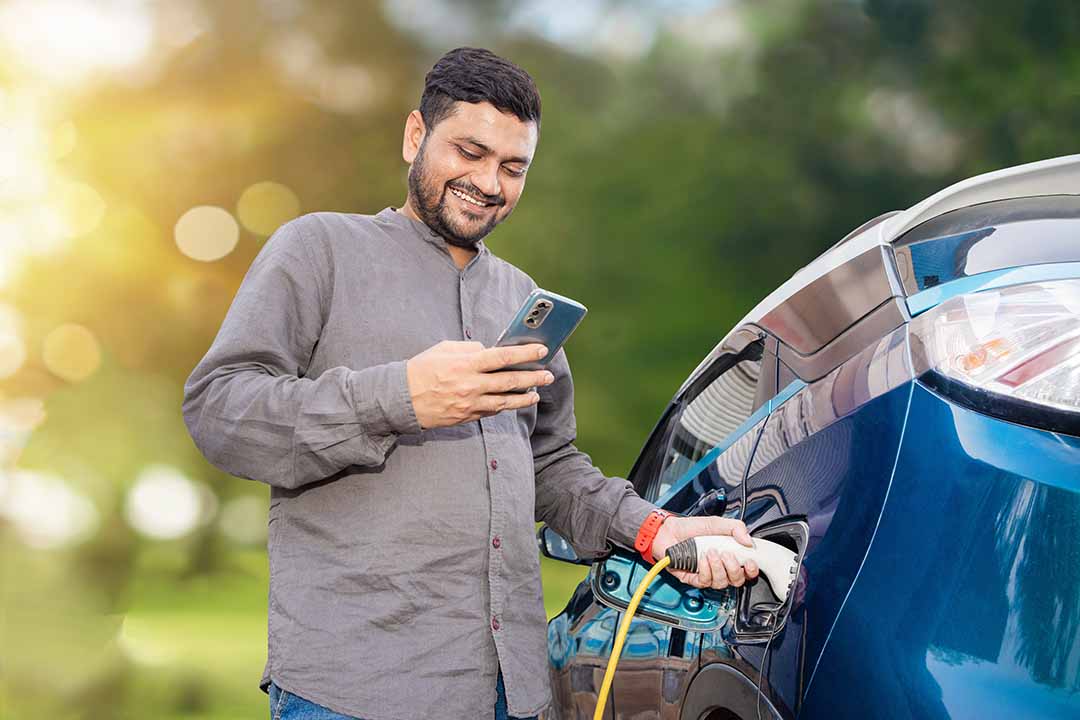
How much does it cost to run an electric car in Singapore?
For drivers looking to buy an EV we've compared running costs for three popular electric cars against their petrol counterparts.
The comparison only covers the road-tax and fuel/charging costs, and not maintenance (which is likely to be higher for petrol cars) or depreciation.
We assume drivers can match the quoted fuel efficiency/distance-per-charge rates. We have also made the calculation based on the latest available LTA data of 17,500km per year for Singapore cars.
We have calculated the public charge rate based on the current average tariff at a Singapore public charging station of $0.65/kWh (AC charging). If you were able to install a home charger you could pay as little as $0.2994/kWh at current rates, so we've included that as the low-end (Private) rate.
We don't have a crystal ball, so have not accounted for increased fuel or electricity costs.
For emissions, we have based our calculations on the grid average of 0.408 kg CO₂/kWh, noting that this figure is improving as Singapore’s energy mix gets greener.
Owners of landed property could install solar panels and charge their vehicles for nothing other than the installation costs, and emit zero carbon, but that is likely to be a very rare occurrence.
For simplicity's sake, we have included the road tax for electric vehicles from 2023 onwards.
We also consider how long it takes to break even buying an electric car.
At the entry level we look at MG's HS Petrol Turbo SUV and ZS Fully Electric SUV.
| MG | Price | Annual road tax | Annual fuel/charge cost (Public/Private) | Annual Running cost – road tax plus fuel/charge |
|---|---|---|---|---|
| HS Petrol Turbo SUV | $154,888 | $679 | $3,094 | $4,508 |
| ZS EV Fully Electric SUV | $107,889 | $1,531 | $1,968 – public / $907 – private | $3,499 – public / $2,437 – private |
Even at first glance, the all-electric MG looks like a winner. If you did most of your charging at home, you'd break even in about two years on the higher upfront price of the EV compared to petrol.
You'd be doing the planet a favour too, emitting 6.0kg/100km of CO2 against a whopping 17.4kg/100km for the petrol.
At the premium sedan level we compare the Tesla Model 3 RWD and BMW 318i.
| Tesla EV/ BMW | Price | Annual road tax | Annual fuel/charge cost (Public/Private) | Annual Running cost – road tax plus fuel/charge |
|---|---|---|---|---|
| BMW 318i (petrol) | $235,888 | $684 | $3,427 | $4,111 |
| Tesla Model 3 RWD | $182,904 | $1,562 | $1,547 – public / $713 – private | $3,109 – public / $2,275 – private |
Thanks to its lower running costs, the Tesla Model 3 has a clear advantage. With home charging, the savings are substantial. Even with public charging, the EV remains competitive with the BMW.
Electric wins again.
For popular family crossovers, we look at the BYD Atto 3 versus the Toyota Corolla Cross Hybrid.
| BYD EV/ Toyota | Price | Annual road tax | Annual fuel/charge cost (Public/Private) | Annual Running cost – road tax plus fuel/charge |
|---|---|---|---|---|
| Corolla Cross Hybrid | $187,888 | $974 | $2,268 | $3,242 |
| BYD Atto 3 | $154,388 | $1,502 | $1,820 – public / $838 – private | $3,322 – public / $2,340 – private |
With home charging, the Atto 3 edges out the Corolla Cross Hybrid on running costs. If you rely heavily on public charging, the hybrid comes close or slightly cheaper.
If you drive a lot and can charge at home, things look fairly rosy: driving twice the Singapore average – or about 35,000km a year – could see you break even in less than two years with many entry-level EVs. You’ll also be helping the environment, with EVs like the MG ZS EV producing around 6.0kg of CO₂ per 100km, compared to more than 17kg/100km for a similar petrol SUV.
But matters get more complicated when you consider hybrids. Take the Toyota Corolla Cross Hybrid, which falls somewhere between a conventional petrol and a full EV.
Because it can also use electric power, you could cover a large share of your annual mileage very efficiently. For example, with an official consumption rate of about 4.5L/100km and the ability to stretch your fuel with hybrid assistance, its running costs can be lower than a petrol SUV — though the higher purchase price still means it would take years to break even compared to an EV charged mainly at home.
Electric Car Models and Prices
Singapore offers a wide range of electric car models, catering to different budgets and preferences. Here are some of the top 4 most popular electric cars in Singapore, along with their prices:
Top selling ev brands for Singaporean drivers
BYD e6 - from $107,889 to S$170,000
- Known for its spacious interior and decent range, the BYD e6 is a practical choice for families and daily commuters.
MG ZS EV - from S$107,889 to S$227,888
- This entry-level model is on the more affordable end with an impressive range, and a comfortable driving experience.
Tesla Model 3 – from S$182,000 to S$220,000
- Tesla’s most popular model in Singapore, combining performance, range, and access to its growing Supercharger network.
Hyundai Ioniq 5 – from S$190,000 to S$230,000
- A futuristic, award-winning EV with long range and ultra-fast charging, making it a strong choice for families.
Note: All car prices quoted are inclusive of COE, based on indicative dealer listings at time of writing. Actual prices may vary depending on COE premiums, trim levels, and promotions.
Environmental benefits of Electric Cars
Electric cars produce zero tailpipe emissions, significantly reducing greenhouse gas emissions and air pollution in urban areas. Unlike gasoline cars, electric cars promote a sustainable future by reducing your carbon footprint thus contributing to a cleaner environment. With fewer moving parts and no need for oil changes, electric vehicles have lower maintenance costs, generate less waste, and have a lower environmental impact over their lifespan.
Frequently Asked Questions
How long does it take to charge an electric car?
Charging time varies by charger type and battery capacity. Public charging points generally range from 3.7kW to 50kW (AC), while high-speed DC chargers can deliver up to 180–250kW, with the fastest chargers (like Tesla Superchargers or Shell Recharge HPC) able to go up to 350kW.
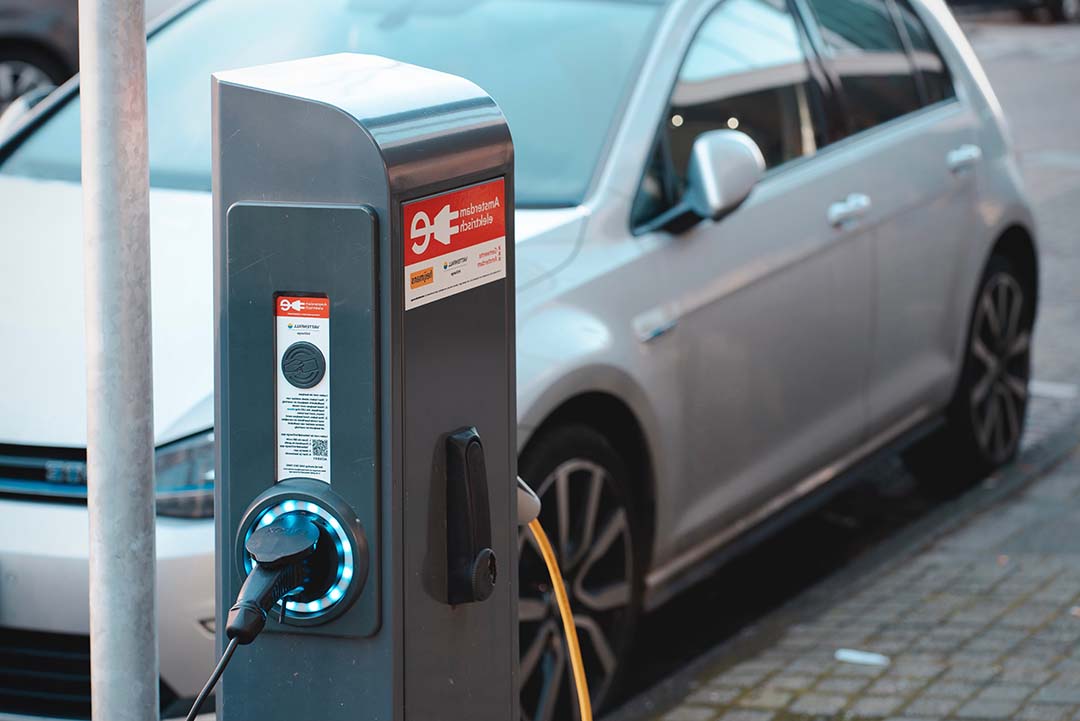
How much does it cost to charge an electric car in Singapore?
Charging costs depend on where you charge. Public stations typically range from $0.65/kWh, while home charging is about $0.2994/kWh (including GST). These rates, combined with lower maintenance costs, can make electric vehicles a very cost effective choice over time.
Why is EV road tax so high in Singapore?
EV road tax in Singapore is calculated based on power output. This means that some electric models, despite their environmental benefits, may incur a higher annual fee compared to comparable gasoline cars. However, these costs are partly offset by government rebates and incentives (such as the EV Early Adoption Incentive and VES rebates) and long-term savings on fuel and maintenance costs.
In conclusion
While the new rules covering electric cars have gone some way to making them more affordable, the choice for buyers is not always clear-cut. Some buyers will appreciate the smooth acceleration of electric vehicles, their environmental credentials, and being early adopters, while others may prefer to stick with what they know (for now).
Using a calculator with detailed vehicle specifications might suggest a clear direction; however, be aware that hybrids—which can charge just like electric vehicles—complicate cost comparisons.
The fact remains that Singapore now has a clear plan to phase out petrol-powered vehicles by 2040. In the longer term, expect battery technology, in particular, to improve, and for more choice of electric cars to enter the market.
Need insurance for your vehicle but can't find your make/ model on our website? Give us a call at 6221 2111, Mondays to Fridays, 9am to 8pm (excluding weekends and public holidays) or email [email protected]. We're here to assist you.