Blog / Car
Understanding the Meaning of Excess: Your Smart Guide to Car Insurance in Singapore

Comparing car insurance policies in Singapore is a daunting task. Each insurance company sets different prices, terms, and conditions, making it hard to spot what really matters.
But beyond premiums and perks, one critical detail can affect your out-of-pocket expenses: the excess amount, also known as the deductible. This is the amount you’ll pay from your own pocket when making an insurance claim, before your insurer covers the rest.
While the excess may feel like just another line in your policy, this single figure can shape the real cost of a claim, especially when you factor in things like driver age, accident history, and who’s actually sitting behind the wheel.
Understanding how your excess works— what is fixed, what can be changed, and what triggers extra expense — puts you in the driver’s seat.

Introduction to Car Insurance Excess
Car insurance excess, sometimes called a deductible, is therefore a key part of any insurance policy that every driver should understand. In simple terms, excess is the amount you—the insurance holder—must pay out of your own pocket when you make an insurance claim. Only after you’ve paid this amount does the insurance company step in to cover the remaining expenses related to your claim.
The amount of excess in an insurance policy can vary depending on the insurer, the type of coverage you choose, and your personal risk profile. For example, if your insurance policy has an excess of $600, and you make a claim for repairs costing $2,000, you’ll pay the first $600, and the insurance company will pay the remaining $1,400. This system helps keep insurance costs manageable for everyone by discouraging small or unnecessary claims.
Choosing a higher excess amount often means you’ll pay a lower premium for your insurance, but it also means you’ll need to cover more of the cost yourself if you ever need to make a claim. On the other hand, a lower excess usually results in higher premiums, but less out-of-pocket expense when an accident happens. Understanding how excess works in your insurance policy is essential for making smart decisions about your coverage and managing the cost of a claim.
How does car insurance excess work?
The excess exists for a reason. It’s designed to discourage small or unnecessary claims, which helps keep overall insurance costs and premiums lower for everyone. In fact, the presence of an excess reduces the number of small claims submitted. The structure of excess can be different depending on the policy; for example, it can be a fixed amount or a percentage of the claim.
As mentioned earlier, it also places some responsibility on the driver, as a cost-sharing mechanism, encouraging safer driving habits and greater care on the road. The impact of excess on your out-of-pocket costs depends on the degree and quantity of the excess applied—that is, the higher the excess, the more you pay before your insurance covers the rest.
Whether your repair bill is large or small, knowing how excess works helps you avoid surprises and make smarter decisions when choosing your insurance policy.
Let’s examine a few scenarios:
Scenario 1: Your claim exceeds your excess
Say you get into a minor accident and the repair bill is more than your excess—for example, the repair bill is $1,000 and your excess is $600. That means you’ll pay $600, and your insurer pays the remaining $400. The repair cost is often based on an estimate provided by the workshop or insurer.
Scenario 2: Your repair cost falls below the excess
Or let’s say the damage comes to just $500, and your excess is $600. In this case, you’ll need to cover the entire cost yourself as it’s under the excess threshold. If the repair cost is below your excess, then you may choose not to file a claim to avoid affecting your NCD. But don’t forget: even if you don’t submit a claim, you are still required to report the incident to your insurer.
Scenario 3: You weren’t at fault
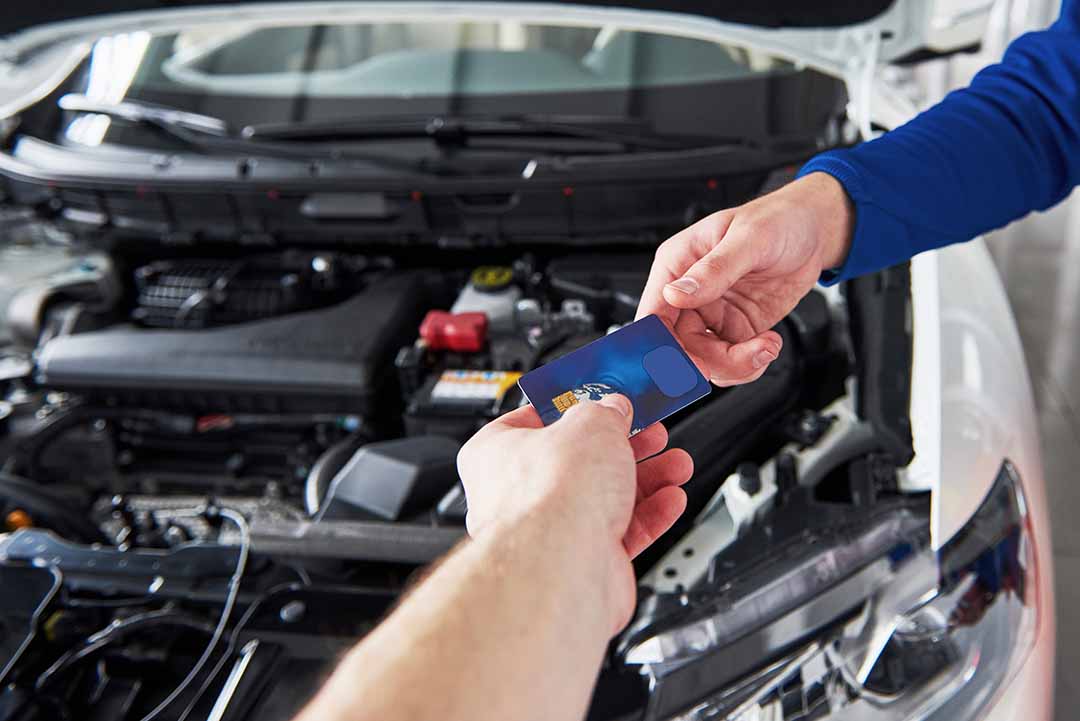
If the car accident isn’t your fault and the other driver is clearly liable, then some insurers will pay the claim in full and waive your excess. As the policyholder, you may have your excess waived if the other driver is at fault. This varies by policy, so it’s worth checking the fine print or ask your insurer directly.
Can I choose to increase my excess to lower my premium?
Most insurance companies in Singapore allow you to adjust the excess amount stated in your insurance policy. Choosing to increase your excess or deductible can help reduce your premium. Increasing your excess can be a way to manage your insurance spending, as it allows you to control how much you pay for your premium versus in the event of a claim. This option is ideal if you’re confident in your driving ability and want to lower your regular insurance outgoings.
However, it comes with a trade-off. In the event of a claim, you’ll pay a higher out-of-pocket amount before your insurer covers the rest. Always weigh the savings on your premium against the potential cost if an accident occurs. Be sure to review your policy terms carefully to understand how your chosen excess impacts your total coverage.
When would I pay a higher car insurance excess?
A higher car insurance excess often applies if you’re a young or inexperienced driver. This is typically under 25 or with less than two years of driving experience. Most insurance companies apply an additional excess amount on top of the standard deductible in such cases. These additional excess amounts function similarly to deductibles in other types of insurance, acting as a threshold you must pay before your insurer covers the remaining costs. This extra cost may also apply if an inexperienced driver is listed or found driving your car at the time of the claim.
Some policies include specific excesses for certain situations, such as windscreen damage or unnamed drivers. Always check your insurance policy for details on how these amounts are structured. Understanding the total excess— both standard and additional —ensures you’re fully aware of the costs you may face in the event of an insurance claim.
What is the excess amount at Budget Direct Insurance?
At Budget Direct Car Insurance the standard policy excess for cars is $600. You have the option to reduce this amount to zero, or increase it to as much as $3,000, depending on your risk profile and budget. The quantity of excess options available allows you to select the amount that best suits your needs.
For motorcycles the standard policy excess is $500, with the flexibility to reduce it to zero or increase it to $800. This level of control lets you customise your insurance coverage to match your needs.
When choosing your excess, think carefully about what you could realistically afford to pay in the event of a car accident.
A higher excess usually means lower premiums, but if something happens, you’ll have to pay more out of pocket.
Always read your insurance policy in detail so you understand the different types of excess, what’s compulsory, what’s optional, and what additional charges might apply based on your driving situation.
Frequently Asked Questions - Car Insurance Excess or Deductibles
What is the meaning of excess?
It is a noun that, in insurance, refers to the amount you agree to pay out of pocket when you make a claim. The insurer covers the rest.
For example, if your excess is $500 and the repair cost is $2,000, you pay $500, and the insurer pays $1,500.
What types of excess are there in car insurance?
Different types of excesses may apply depending on the driver, the situation, and your chosen insurance company. These are the key terms to know:
- Standard/Compulsory Excess: Set by the insurer.
- Voluntary Excess: Optional — you choose to increase this in exchange for lower insurance premiums. This is a good option for safe drivers who rarely claim and want to keep premiums low. But, if an accident happens, you need to be prepared to cover that larger expense.
- Additional Excess: Applied in specific cases, like when the driver is under 25, or if they’re unnamed in the policy.
What is the meaning of deductible?
Deductible means the same thing as excess — it’s the amount you pay out of pocket before your insurance covers the rest of a claim.
The term “deductible” is more commonly used in the US., while “excess” is often used in places like Singapore, the UK, and Australia.
Do different types of car insurance plans have different excess amounts?
Third-party only, third-party fire and theft, and comprehensive policies often come with different excess structures. Comprehensive policies may have more flexibility to adjust your excess amount. Check with your insurance provider.
What is the average car insurance excess amount in Singapore?
There’s no universal car insurance excess in Singapore, but most comprehensive car insurance policies include a standard excess of S$500 to S$1,000. For instance, Budget Direct Insurance sets a benchmark at S$600. Your actual insurance excess depends on factors like your age, driving experience, claim history, and vehicle type. Young or inexperienced drivers often face an additional excess of S$1,000 or more. Remember, the excess is clearly stated in your insurance policy. Always compare policies not just by price, but by how much you’ll pay out-of-pocket when making a claim.
Can I change my excess after buying a policy?
Compulsory excess is usually fixed by the insurer and only changeable at renewal or by switching policies. Speak to your insurance company directly to explore your options.
What happens if I am in multiple accidents - do I have to pay the excess each time?
Every approved claim typically comes with a separate excess. That means if you get into two separate accidents in the same policy year, you’ll pay the deductible twice. Each event is treated as a separate loss, and the amount you pay is reset per incident. Even minor repairs can become costly if you’re unaware of how this works.
Will using a dashcam help lower my excess?
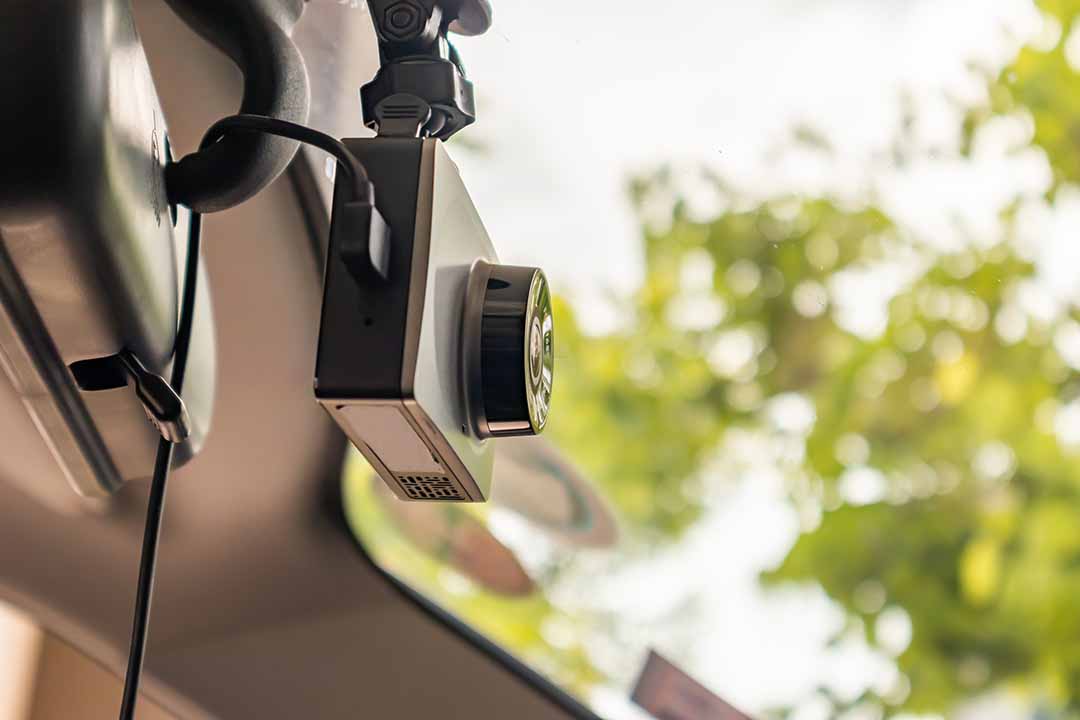
Having dashcam footage can be a game-changer. If it proves you weren’t at fault, some insurers will waive the amount you’d otherwise pay out of pocket. It's a smart way to take control of your policy and avoid unnecessary expenses, especially when every dollar counts.
What would happen to the excess if multiple drivers use the car?
If more than one person drives your car, it’s important to understand how this affects your excess and how it could potentially ramp up your out-of-pocket expenses. In an insurance policy, the amount you pay as your deductible often depends on who was behind the wheel at the time of the incident. While your policy may carry a standard excess amount, additional deductibles often apply if the additional driver isn’t named on the policy or falls into a higher-risk group, such as someone under 25 or with limited driving experience.
What happens if I cannot afford to pay the excess?
If you’re unable to pay your excess amount, your insurance claim may be delayed or even denied. That’s because the insurer is only obligated to cover the cost after you’ve paid your share. Always choose an excess level that you’re confident you can afford in the event of a car accident.
Does the excess apply if my car is stolen or is a total loss?
Yes, in many cases, you’ll still have to pay an excess amount, even if your car is stolen or deemed a total loss – (sometimes known as a write-off) after an accident. That’s because these are still classified as insurance claims, and your policy excess applies unless otherwise stated.

Be sure to check out this claims and excess FAQ if you still have questions.