Blog / Car Insurance
Understanding the Real Dangers of Driving Abroad

Driving abroad offers freedom and flexibility, but it also comes with unique challenges that many Singaporeans may underestimate. With reports of fatalities involving Singaporean drivers overseas, it raises the important question: is it dangerous to drive abroad? The answer is yes, but with the right preparation, you can minimise risks and enjoy the journey.
Driving Safely Abroad: What You Need to Know
Whether it’s a road trip in New Zealand, navigating city streets in Europe, or tackling winter conditions in North America, here are essential things to consider when driving abroad.
Driving Abroad Checklist
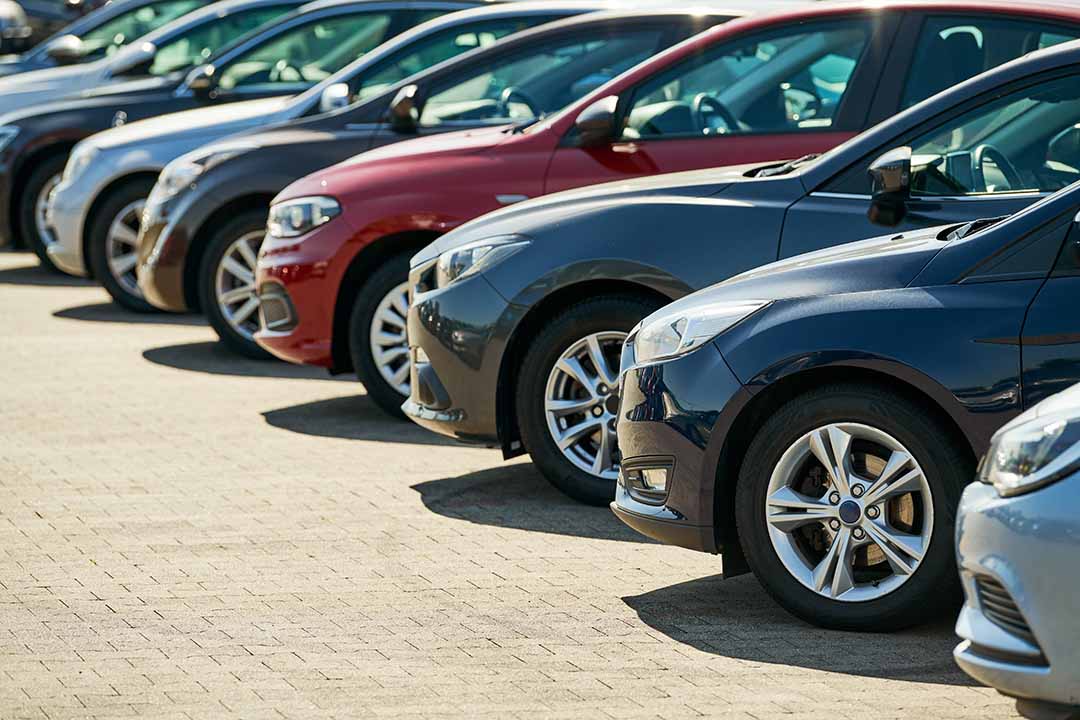
1. Car Hire Considerations
Before you hit the road, get familiar with local driving laws, cultural norms, and potential hazards. Car rental companies may ask if you understand the road conditions in their country. Don’t be shy to ask questions – it’s better to be informed.
Expect to encounter wildlife, unfenced roads, and unfamiliar terrain. From kangaroo crossings in Australia to icy roads in Iceland, being aware of road traffic conditions helps minimise inconvenience.
- Familiarise yourself with the rental car controls and vehicle features
- Avoid long trips after overnight flights and take regular breaks
- Download offline maps in case of poor internet connectivity
2. Valid Licence Requirements and International Driving Permit
If you’re driving in a foreign country, make sure your valid Singapore driving licence is recognised. In many countries, you’ll also need an International Driving Permit (IDP), which is the only official legal document sanctioned by the UN Convention on Road Traffic.
- Apply online via an authorised organisation like the Automobile Association (AA) Singapore
- Carry both your driving licence and IDP at all times
- Be aware of licence requirements and expiry date regulations across contracting states
Driving without a proper licence can also invalidate your insurance coverage, so it’s essential for both legal and safety reasons.
Driving in New Zealand and Other Countries
Driving in New Zealand (NZ) with a Singapore licence is allowed for up to 12 months, as long as your licence is in English or paired with an IDP.
Remember that unfamiliar weather conditions, rural layouts, fatigue can contribute to serious accidents.
Speeding is a common cause of incidents:
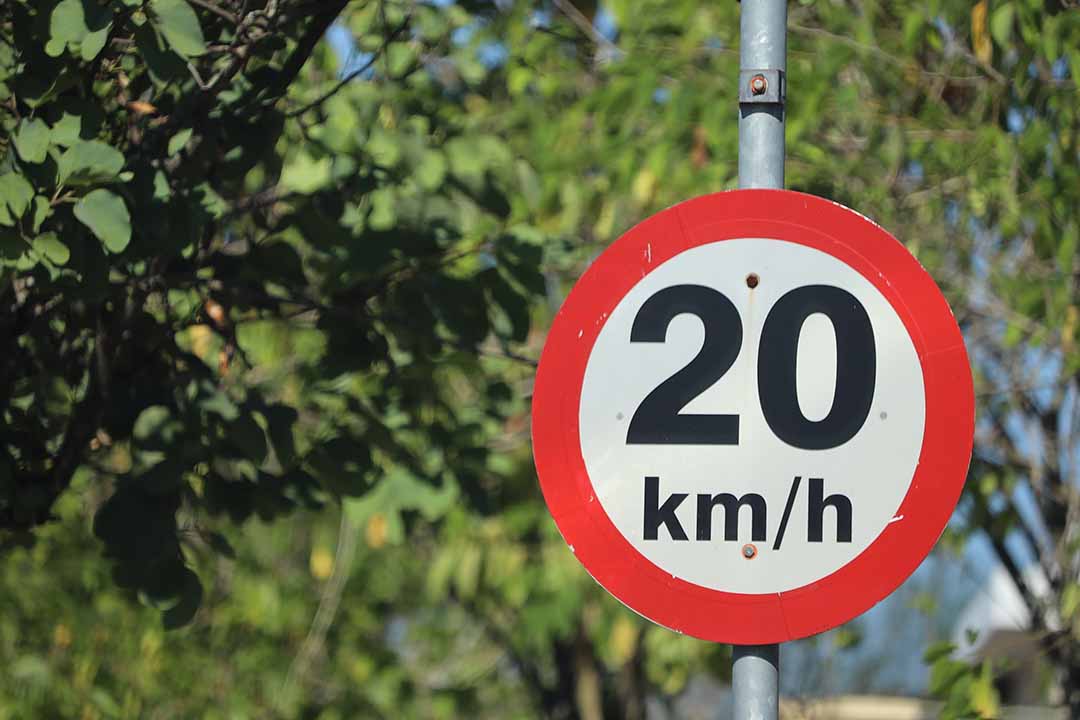
- Speed limit signs have a red ring and indicate local speed limits
- The open road limit is usually 100km/h, or 110km/h in some regions
- Never underestimate the dramatic effect of changing terrain
Be extra cautious when navigating steep routes like the Crown Range Road in NZ or the Cameron Highlands in Malaysia.
Driving in Regional Malaysia, Europe, and Australia
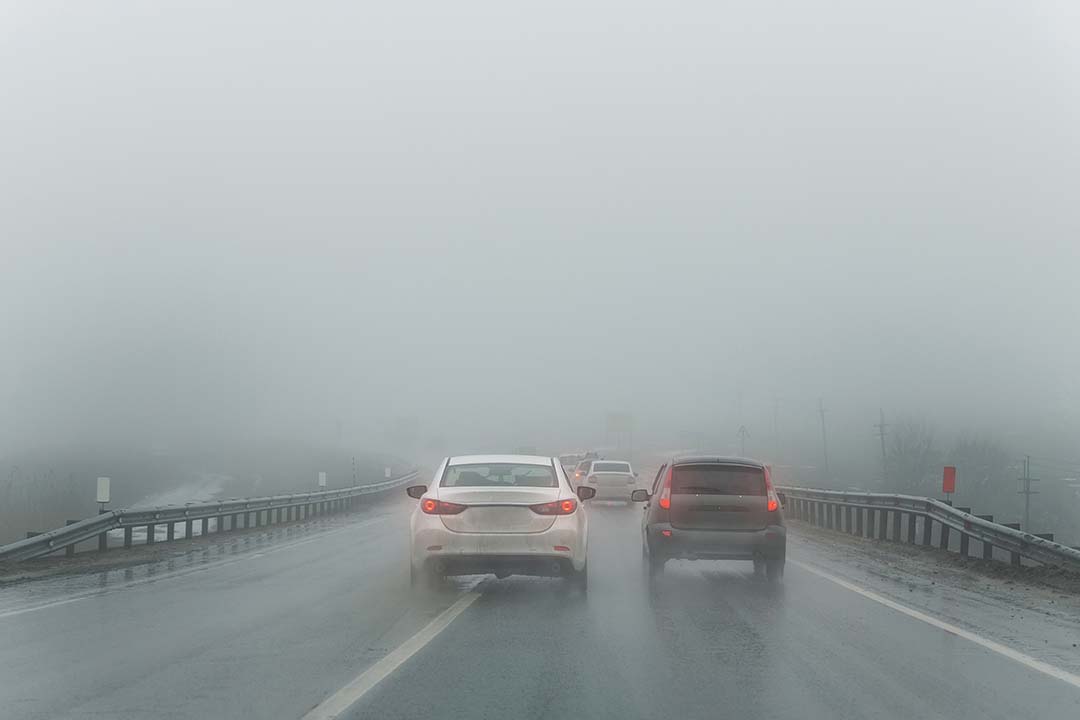
Cameron Highlands, Malaysia: Narrow, foggy roads with sharp bends and steep slopes require slow, controlled driving. Be alert for sudden changes in weather and limited visibility.
Europe: Varying laws, tolls, and multi-language signage can be overwhelming. Always check for Low Emission Zones and carry mandatory safety gear like reflective vests and warning triangles.
Australia: Watch out for long remote drives, animal crossings (especially kangaroos at dawn/dusk), and sudden weather shifts. Stick to speed limits and carry supplies in rural regions.
Understanding Road Hazards and Conditions
Road conditions can differ drastically from Singapore. From icy highways to gravel or dirt roads, different surfaces require different handling. Reduced traction and poor visibility can make driving risky in rural or wintry areas, so lower your speed and increase following distance.
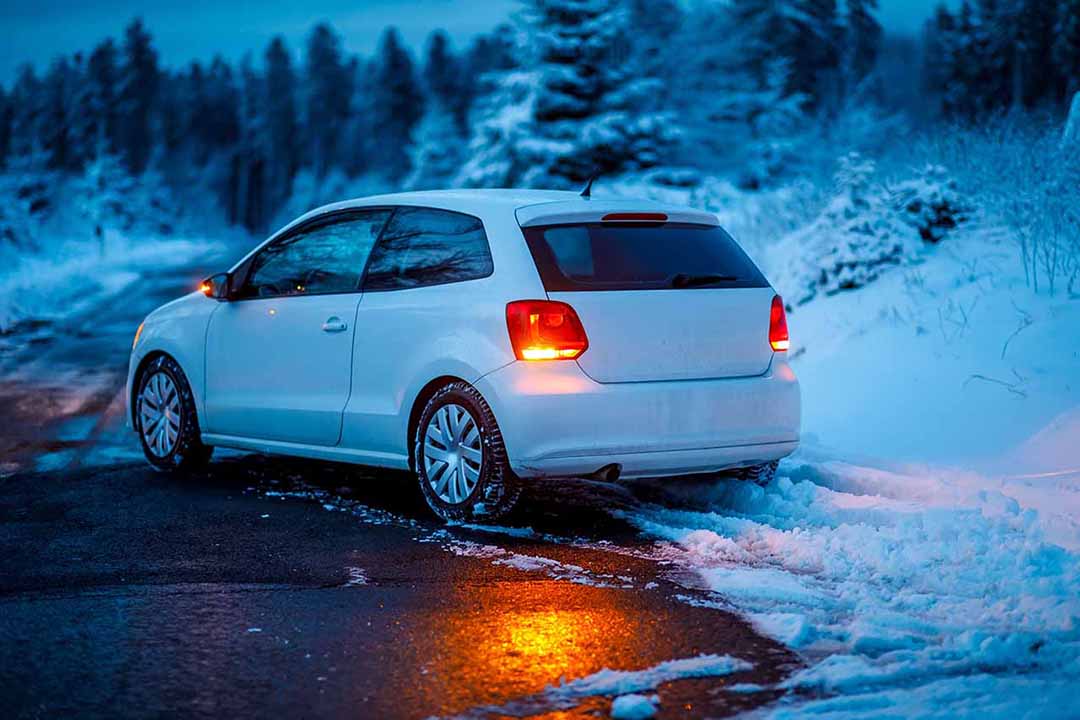
- Use your high beams in rural areas, but dim them for other vehicles
- Avoid sudden acceleration or braking
- Be mindful of wildlife, water hazards, and potential hazards like fallen trees
Speeding: Know the Risks and Local Speed Limits
Speed limits vary by country and are often marked with red-ringed signs. Fines can be steep, and enforcement is strict—especially in school zones and construction areas. Always drive to match road and weather conditions, not just posted signs.
City Driving and Cultural Norms
Navigating cities abroad also presents challenges:
- Roundabouts are more common, especially in Europe. Always give way correctly
- In Australia and New Zealand, a raised hand thanks other drivers – small gestures show respect
- Avoid being “kiasu” – tailgating or aggressive driving will earn you fines or worse
- Watch out for Low Emission Zones (LEZs) and ensure your vehicle qualifies to avoid penalties
Park wisely, especially at night. Ask your hotel or locals about secure parking areas and don’t leave valuables in plain sight.
Planning for Emergencies and Long Drives
Driving abroad requires planning:
- Know the emergency numbers for each country
- Carry essential documents: IDP, valid driving licence, car rental agreement, vehicle insurance and travel cover
- Share your travel plan with friends or family and buffer extra time between destinations
- Use rest stops and lay-bys to combat fatigue
Long drives? Switch drivers regularly, and if possible, avoid planning long hauls immediately after landing. Rest first and hit the road refreshed.

Insurance: Your Travel Essential
Whether you're driving your own car or motorcycle, renting, or touring in a campervan, never leave Singapore without comprehensive travel insurance and vehicle insurance.
- Cover all relevant motor vehicles
- Review your policy’s terms and insurance coverage scope
- Know what's included for injury, theft, and accidents
Uninsured driving can lead to major financial loss and deny you medical or legal support abroad.
Conclusion: Is It Dangerous to Drive Abroad?
Driving overseas with a Singapore licence is adventurous—but comes with risks. From licence requirements, road traffic differences, driving laws, and foreign country customs to unpredictable weather and terrain, preparation is key.
Follow this guide, check your driving abroad checklist, and stay protected with Budget Direct Insurance.