Blog / Car Insurance
How Cars are Priced in Singapore: Your 2026 2-Minute Guide

A Smart Buyer’s Guide to Navigating Taxes, Fees & True Costs
If you’re thinking of buying a car in Singapore, brace yourself—not just for the car’s sleek curves or horsepower—but for a complex pricing structure filled with acronyms, taxes, and fluctuating fees. The Monetary Authority of Singapore (MAS) also imposes restrictions on car loans, adding to the financial layers you’ll need to understand.
It’s not just about choosing the right model; it’s about decoding a system where COE, ARF, OMV, VES, and more all come into play. Don’t worry—we’ll break down each component clearly and quickly, so you can make smart, confident decisions when navigating Singapore’s unique car market.
What Makes Up the Cost of a Car in Singapore?
When you buy a new car in Singapore, you're not just paying for the vehicle. You’re covering a wide range of government-imposed taxes, fees, and entitlements—each designed to regulate vehicle population and reduce congestion on Singapore’s roads.
Here’s what goes into the price:
1. Open Market Value (OMV)
Set by Singapore Customs, this is the base value of the vehicle and includes the purchase price, freight, insurance, and delivery costs. The OMV is the starting point for many other charges.
2. Additional Registration Fee (ARF)
A major tax calculated as a percentage of the OMV:
- First $20,000: 100%
- Next $20,001–$40,000: 140%
- Next $40,001–$60,000: 190%
- Next $60,001–$80,000: 250%
- Above $80,000: 320%
The ARF alone can exceed the OMV for higher-end vehicles, pushing the car cost in Singapore significantly higher.
3. Certificate of Entitlement (COE)
A mandatory license allowing you to own a car for 10 years. The latest COE prices are around $100,000 and above depending on category. COE premiums are determined by market demand and bidding exercises.
4. Excise Duty & GST
- Excise Duty: 20% of the OMV
- Goods & Services Tax (GST): 9% applied to the OMV + Excise Duty
These taxes are calculated based on the vehicle’s value, not a flat rate, which means high-value vehicles attract more tax.
5. Standard Registration Fee (RF)
A flat fee of $350.
6. Vehicle Emissions Schemes (VES & CEVS)
Singapore has introduced several emissions-based schemes to promote cleaner vehicles, with the Vehicular Emissions Scheme (VES) and the earlier Carbon Emissions-Based Vehicle Scheme (CEVS) being the most significant for car buyers. The VES offers higher rebates and surcharges depending on the vehicle's emission level and registration date, incentivizing environmentally friendly vehicle choices.
Under these programs, vehicles may qualify for a rebate or surcharge of up to $25,000, depending on their emissions profile. VES assesses five pollutants—such as carbon monoxide and particulate matter—and applies the highest penalty or lowest rebate based on the worst-performing pollutant. CEVS, in contrast, focused solely on carbon dioxide (CO₂) emissions, with rebates or surcharges ranging from $5,000 to $20,000.
7. Dealer Fees & Margins
These include administrative fees, inspection charges, delivery, warranty, and profit margin for car dealers in Singapore.
Example Breakdown: How Much to Buy a Car in Singapore?
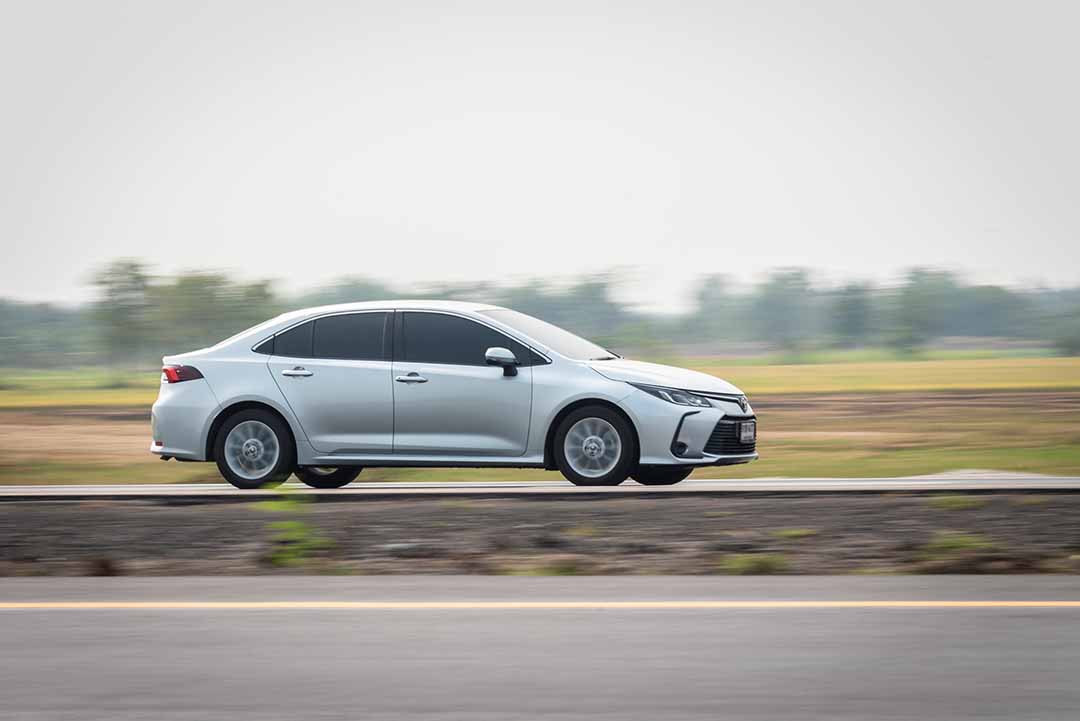
Let’s take a mass-market model like the Toyota Corolla Altis (OMV: ~$20,000):
| Cost Component | Estimated Amount (SGD) |
|---|---|
| OMV | $20,000 |
| ARF (100%) | $20,000 |
| Excise Duty (20%) | $4,000 |
| GST (9% of OMV + Duty) | $2,160 |
| COE (Cat A – Mar 2026) | ~$108,220 |
| Registration Fee | $350 |
| VES (Band B, neutral – if the car qualifies) | $0 |
| Estimated Dealer Margin | ~$22,000 |
| Total Estimated Price | ~$176,730 |
Logic Note: Category A COE has surged to $108,220 due to "Cut-and-Fill" demand and increased EV adoption in the mass-market segment. Total car prices for a Corolla Altis should now be quoted between $175k and $180k.
Disclaimer: Quoted range is an estimated valuation for reference only. Actual market prices may vary based on dealer margins and additional fees.
And that’s just the beginning—car ownership in Singapore comes with recurring expenses too.
2026 Budget Alert
- Budget 2026 Update: As of February 2026, the PARF Rebate (the money you get back for scrapping your car) has been slashed by 45 percentage points.
- For a car deregistered between 9–10 years, the rebate is now only 5% of the ARF (previously 50%).
- The maximum PARF rebate is now capped at $30,000 (down from $60,000).
New Cars vs Used Cars: Which Should You Buy?

New cars in Singapore offer the latest features and come with full warranties, but their prices are pushed up significantly by COE costs. Used cars are more affordable upfront but may come with higher maintenance needs and a shorter remaining COE. Your choice depends on your budget, how long you plan to own the car, and your comfort with potential repairs. Either way, don’t forget to factor in costs like insurance, road tax, and servicing.
Beyond the Initial Purchase: The Ongoing Costs
Car Downpayment in Singapore
Depending on your OMV:
- OMV ≤ $20,000 → up to 70% loan allowed (30% downpayment)
- OMV > $20,000 → up to 60% loan (40% downpayment)
Monthly Repayments & Interest
Car loan interest rates typically range from 2%–3% annually (higher for used cars or COE renewal loans). The interest rate directly impacts your monthly payments, the total repayment amount, and the overall cost of financing a vehicle. Use your Total Debt Servicing Ratio (TDSR) to ensure you can manage monthly repayments along with housing loans and other financial commitments.
Insurance, Maintenance & Fuel
- Car Insurance: Average premium ~S$1,500/year. Insurance premiums can vary based on factors such as age, gender vehicle type, driving history/driving experience, and vehicle usage.
- Regular Maintenance: ~$500–$700/year for mid-range vehicles
- Fuel Prices: ~$2.90/litre for 95-octane petrol
- Annual Mileage: ~17,500km = ~$3,300/year in fuel costs
Road Tax
Calculated based on engine capacity. Example:
- 1.6L engine (e.g., Corolla Altis): ~$740/year
Older cars incur surcharges up to 50% after 14 years.
Can You Afford a Car in Singapore?
If you’re wondering whether you can afford a car, you’re not alone. The cost of owning a car in Singapore is among the highest in the world. Many drivers turn to second-hand vehicles or car-sharing options to reduce costs. If you are buying new, factor in:
- Initial downpayment
- Total interest paid over loan period
- Running costs (insurance, road tax, maintenance, petrol)
- COE renewal or deregistration costs after 10 years
- Depreciation and resale value
Want to check a car’s value before buying or selling? Use LTA’s online tools or consult reputable car dealers and insurance providers to assess OMV, COE balance, and mileage.
All figures are estimates for illustration only and may vary depending on vehicle model, dealer pricing, taxes, COE premiums, and market conditions. Please check with LTA, dealers, and financial providers for the latest information before making a purchase.
Final Thoughts: Smarter Car Buying in Singapore
Buying a car in Singapore is more than a purchase—it’s a long-term financial decision. Understanding the pricing breakdown empowers you to make smart choices, whether you're eyeing a new model or budgeting for car breakdown costs and long-term upkeep.
Make sure your car insurance is just as well-considered. Compare plans and choose one that suits your needs and driving profile.
For a full breakdown on buying used cars or understanding why Singapore car prices are so high, check out our other Budget Direct Insurance articles.
Related Reads:
- Why Are Cars So Expensive in Singapore?
- Buying a Used Car in Singapore: Stay Safe, Protect Your Purchase