
Blog / Car Insurance
What is the Difference Between a Private Car and a Commercial Vehicle?

In a nutshell, commercial vehicles are primarily used for business purposes, owned by businesses, and require commercial insurance, while private cars are for personal use, owned by individuals, and insured under private car insurance policies.
The difference between a commercial vehicle and a private car lies in their intended use, ownership, and the type of insurance coverage they require.
Just a heads-up: While this guide covers commercial and private vehicles in general, Budget Direct Insurance does NOT cover all types of commercial vehicles, such as Heavy Goods Vehicles, taxis, Private Hire Vehicles (PHVs) or ride-hailing vehicles and does not cover all uses. Find out more about Budget Direct’s commercial vehicle coverage here.
Always check your policy for full details.
Below is a description and detailed breakdown, including key questions to consider to help determine whether your vehicle should be classified as private or commercial in Singapore:
Introduction to Commercial Vehicles
Commercial vehicles play a vital role in supporting the daily operations of businesses across Singapore. These vehicles, which include light goods vehicles, heavy goods vehicles, and goods-cum-passenger vehicles, are specifically designed to meet the diverse needs of commercial enterprises. With a wide range of types available, businesses can select the vehicle that best fits their operational requirements, helping to streamline processes and enhance overall productivity.
What is Classed as a Commercial Vehicle in Singapore?
According to the Singapore Land Transport Authority (LTA), a commercial vehicle is any type of motor vehicle primarily used for business purposes.
Here are some of the main types of commercial vehicles in Singapore:
Goods Vehicles
- Light Goods Vehicles (LGVs) or sometimes known as Light Commercial Vehicles: These are smaller vehicles designed for transporting goods, typically with a maximum laden weight not exceeding 3,500 kg.
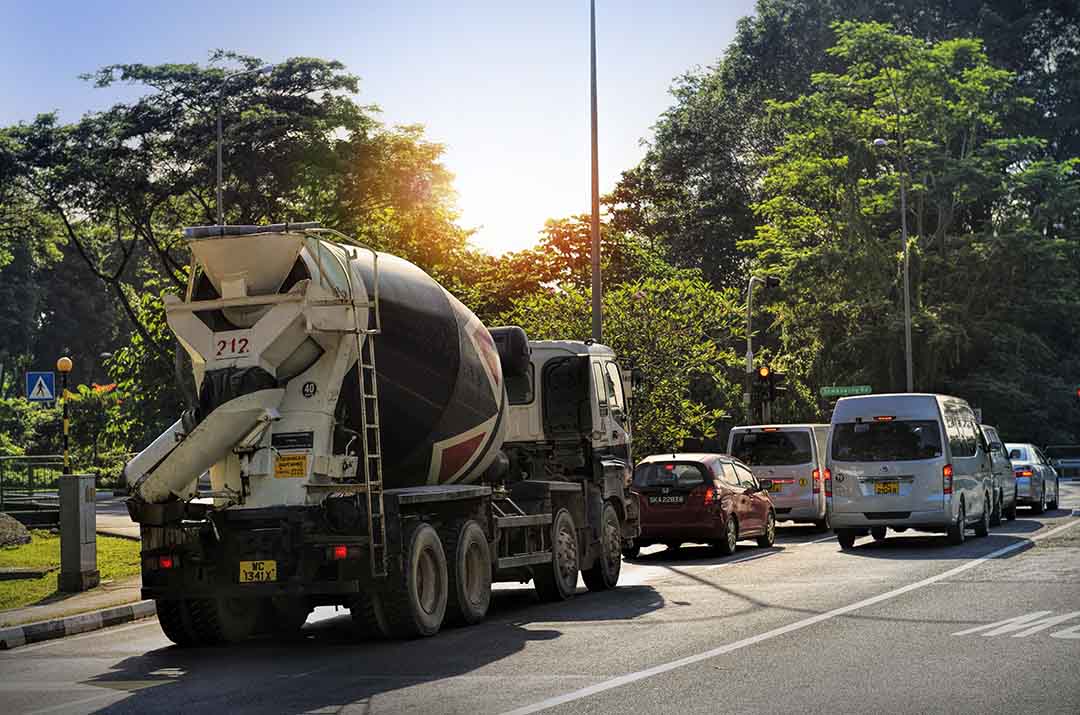
- Heavy Goods Vehicles (HGVs): These are larger trucks used for transporting heavy loads or large quantities of goods. Cement mixers are a common example of Very Heavy Goods Vehicles (VHGVs), designed to handle extremely heavy loads for construction projects. Specific safety regulations, such as blind spot safety features, apply to cement mixers to ensure safe operation on the road.
Buses
According to the LTA, there are five types of buses: private buses, private hire buses, excursion buses, school buses, and omnibuses.
Taxis and Private Hire Vehicles (PHVs)
- Taxis: Licensed vehicles used to transport passengers for a fare. They are easily recognisable by their distinctive designs and colours. Examples include ComfortDelGro Taxis, SMRT and Trans-Cab.
- Private Hire Cars (PHVs): Vehicles that are registered for private hire under services like Grab or Gojek. These vehicles are used to transport passengers for a fee but are booked through mobile apps rather than hailed on the street.
How Will Your Vehicle be Used?
- Commercial Vehicle: A commercial vehicle is for business activities—such as carrying equipment or providing services on the go. This includes vehicles used by tradespeople like plumbers, electricians, and contractors. When selecting a vehicle for commercial use, it is important to consider the vehicle's characteristics, such as height or proper crane stowage, to ensure safe operation and compliance with regulations. Depending on the type of business and how the vehicle is used, there may be additional requirements or permits that a vehicle may be subject to.
- Private Car: A private car is for personal, family, or leisure purposes. It’s typically owned by an individual or a household and is intended for non-commercial activities, such as commuting to work, running errands, or going on family trips.
Who Owns the Vehicle?
- Commercial Vehicle: Commercial vehicles are often owned or leased by a company, business, or sole proprietor. The vehicle is registered under the business’s name, and its primary use is related to the business’s operations.
- Private Car: A private car is usually owned by an individual and is registered in their name. The vehicle is used for personal reasons and not for generating income.
Insurance Coverage
- Commercial Vehicle Insurance: Commercial vehicle insurance is tailored to cover the risks associated with business use. Premiums for commercial vehicle insurance are typically higher due to the increased risks. The benefits of commercial vehicle insurance include enhanced protection for businesses and peace of mind knowing your operations are safeguarded, especially if you opt for comprehensive coverage.
- Private Car Insurance: Private car insurance is primarily intended for personal use, such as daily driving and commuting. However, depending on your policy, certain types of business use may also be permitted. Click here to find out what types of business use are typically allowed under private car insurance with Budget Direct Insurance.
Certificate of Entitlement (COE) and Commercial Vehicles
- Commercial Vehicle:When it comes to COE, commercial vehicles can be registered under category C – Goods Vehicle & Bus, or category E – Open (Except Motorcycle). Commercial vehicles have a maximum statutory life span of 20 years. You can only renew the COE after the first 10 years; after 20 years, you can’t continue using the vehicle.
COE prices for commercial vehicles have seen recent increases, which can significantly impact budgeting and operational planning for businesses considering vehicle ownership.
Note: Non-electric taxis have an 8 year COE cap, while electric taxis maybe eligible for up to 10 years under specific regulatory schemes. - Private Car: There is no statutory life span imposed on private cars. You can continue to renew your COE for 10 years for as long as required. But if you choose to renew your COE for 5 years, then your car must be scrapped after that period with no further renewal option. Click here for more information on COE renewals for older private cars.
Road Tax and Commercial Vehicles
- Commercial Vehicle: Road tax for commercial vehicles in Singapore is generally higher and is calculated differently compared to private cars. It considers factors like the vehicle’s weight, seating capacity, and usage, reflecting the greater wear and tear and environmental impact typically associated with commercial use. There are also specific restrictions, such as weight limits and access limitations, that affect the road tax and legal operation of commercial vehicles.
- Private Car: Road tax for private cars in Singapore is calculated based on engine capacity or power rating using LTA’s standard formula, with higher rates for diesel, EVs, and older vehicles. Click here for more information on Road Tax renewal for your car.
Driving Licence Singapore and Commercial Vehicles
In Singapore, you’ll generally need a special driving licence to operate commercial vehicles like buses, heavy trucks, or trailers.
However, if you’re using a Light Goods Vehicle (LGV)—such as a small van, lorry or truck—for business purposes, you can drive it with a regular Class 3 or 3A licence, as long as it doesn’t exceed 2,500 kg unladen weight.
Here’s a breakdown of the licence types:
Driving Licence (Class 3 or 3A)
Licence Class: Class 3 or Class 3A
- Class 3: For manual transmission vehicles
- Class 3A: For automatic transmission only
Permitted Vehicles:
- Motor cars (up to 7 passengers excluding the driver) with unladen weight not exceeding 3,000kg.
- Motor tractors and other motor vehicles including Light Goods Vehicles (LGVs) under 2,500 kg unladen weight such as mini-vans and small commercial-use vehicles.
Use Case:
- Everyday driving or running small business operations.
Commercial Vehicle Driving Licence
Licence Class: Class 4, 4A, or 5
- Class 4: For heavy vehicles like large trucks and buses (>2,500 kg)
- Class 4A: For automatic-transmission public buses
- Class 5: For very heavy vehicles like trailers and mobile cranes (>7,250 kg)
Permitted Vehicles:
- Large goods vehicles, buses, and other commercial-use vehicles above the LGV threshold
Use Case:
- For business operations involving passenger transport, logistics, or heavy-duty delivery
Requirements:
- Must have a valid Class 3/3A licence
- Pass specific Class 4/4A/5 driving tests
- Minimum age: 21
- May need medical checks or additional certifications
- You must apply for the appropriate licence or permit for the operation of heavy commercial vehicles. Click here for more details on driving licences and Singapore’s top driving schools.
Frequently Asked Questions about Commercial Vehicles
What Licence Do I Need to Drive a Van or a Small Truck in Singapore?
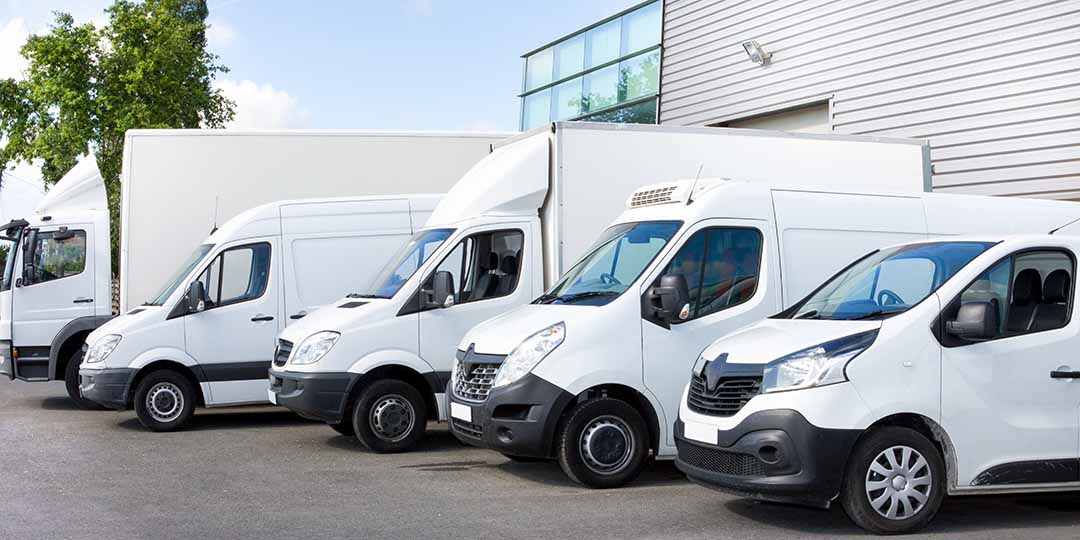
To drive a van or truck in Singapore, the licence you need depends on the unladen weight of the vehicle:
- If the van’s unladen weight is 2,500 kg or below (e.g., most light goods vehicles or small vans), a Class 3 licence is sufficient.
- If the van exceeds this unladen weight, you’ll need a Class 4 licence.
To apply for a Class 4 licence, you must:
- Already hold a valid Class 3 or 3A licence
- Be at least 21 years old
- Pass the Class 4 driving test
Do I Need A Special Driving Licence To Drive A Van For My Small Business?
If you’re using a Light Goods Vehicle (LGV)—such as a small van, truck or pickup—for business purposes, you can drive it with a regular private car licence as long as it doesn’t exceed 2,500 kg unladen weight.
Can I Buy a Van for Personal Use in Singapore?
If you're thinking about buying a van for personal use, keep in mind that in Singapore, only registered companies can purchase commercial vehicles. The exception is if you have a hawker licence from the National Environment Agency (NEA)—then you can buy one as an individual.
How Many Times Can I Renew My COE for a Commercial Vehicle?
Commercial vehicles, have a statutory lifespan of 20 years. This means that after the initial 10-year COE, the vehicle can only be renewed once—typically through two 5-year renewals—up to the 20-year limit. After 20 years, the vehicle must be deregistered.
Can a Commercial Vehicle Be Used for Personal Use?
It’s important to note that commercial vehicles in Singapore are meant strictly for business use—like carrying goods or transporting employees. Using them for personal reasons is a no-go. The Land Transport Authority enforces this with fines of up to $1,000 or 3 months’ imprisonment for first-time offenders, and up to $2,000 or 6 months’ imprisonment for repeat offenders.
Do I Need a Special Driving Licence to Be a Grab Driver?
Yes, you do. Before you can start driving with Grab—or any private-hire platform—you must first obtain a Private Hire Car Driver’s Vocational Licence (PDVL) from the Land Transport Authority.
