Blog / Car
How to Change a Tyre: Easy Steps & Maintenance Tips to Avoid Getting a Flat Tyre

A flat tyre is one of the most common roadside emergencies, but knowing how to change a tyre can save you time, money, and stress. Your car tyres are the only direct connection between your vehicle and the road, and well-maintained tyres can be the difference between a safe journey and an unexpected breakdown. Whether you're dealing with a punctured car tyre or need a tyre change in Singapore, this guide will take you through the easy steps to change a tyre and essential tyre maintenance tips to help you avoid getting stranded.
Tyre Maintenance to Prevent a Flat Tyre
Proper tyre maintenance extends the lifespan of your tyres and minimises the risk of a flat tyre.
1. Check Tyre Pressure Regularly
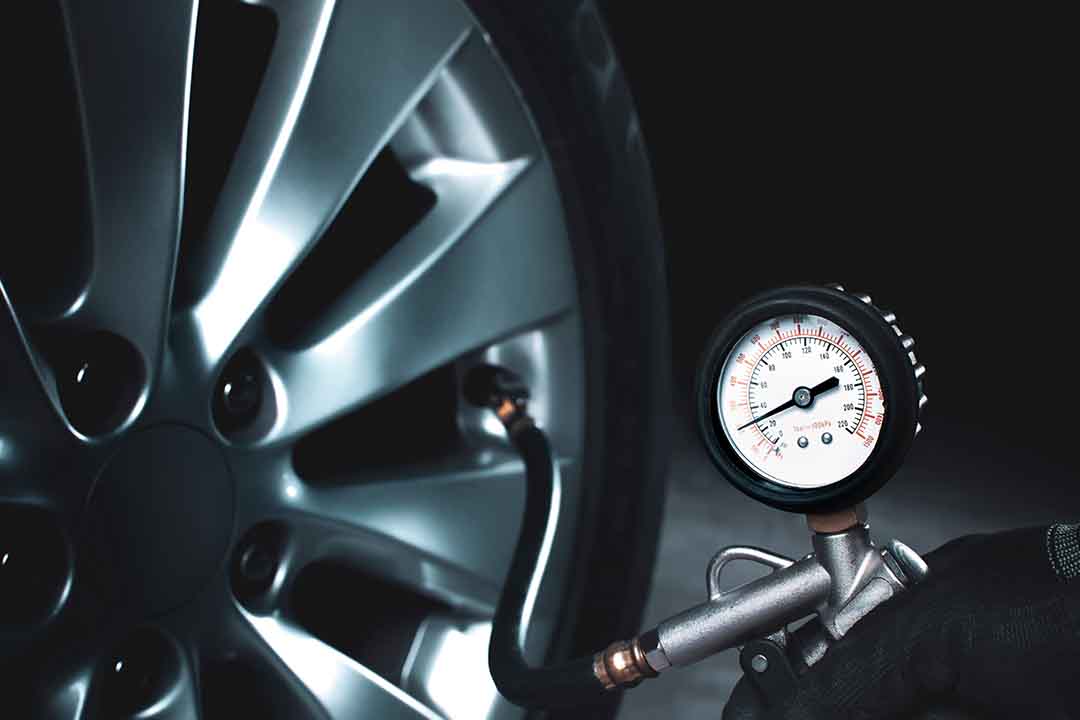
Checking your tyre pressure is crucial for tyre maintenance and safety. Look up the vehicle manufacturer’s recommended PSI and ensure your tyres are properly inflated to prevent under-inflation or over-inflation, both of which can cause uneven tyre wear and increase the risk of a tyre blowout. A handheld tyre pressure gauge is often more accurate than those at petrol kiosks. After checking or inflating, replace the valve cap to prevent leaks.
2. Inspect Tyre Wear and Tread Depth
Regularly checking tread depth and tyre wear ensures safer driving. Uneven wear may indicate wheel misalignment or improper tyre pressure. Wear on the inside or outside edges suggests an alignment issue, while centre wear means over-inflation, and wear on both edges points to under-inflation.
Tread wear indicators are small marks along the tyre grooves that become flush with the surface when tyres reach their maximum wear limit. The legal minimum tread depth in Singapore is 1.6mm—anything below that reduces grip and increases accident risk. Look for exposed metal or damaged rubber, as these are signs that it's time for a tyre replacement.
3. Rotate Your Tyres
Rotating your car tyres every 10,000 km helps distribute wear evenly. Front tyres wear out faster due to steering and braking, so swapping them with the rear tyres extends their lifespan.
4. Watch for Signs of Tyre Damage
Cuts, bulges, or cracks in the tyre sidewall can lead to a punctured tyre. Slow leaks from valves are a common cause of flat tyres—have them checked at a tyre shop.
Preparing for a Flat Tyre
Knowing how to change a flat tyre is an essential skill for all drivers. However, being prepared before an emergency occurs can make the process easier and safer.
Essential Items for Car Tyre Repair
To ensure you’re ready for a tyre change, keep these essential items in your car:
- A spare tyre: Regularly check the spare tyre pressure and condition to ensure it’s ready for use.
- A lug wrench or tyre iron: This tool is necessary for loosening and tightening the lug nuts on your car tyres.
- A car jack: Ensure the jack is properly positioned under the vehicle frame when lifting.
- Wheel wedges or chocks: These prevent vehicle rolling while you’re changing the tyre.
- A reflective jacket or warning triangle: Increases visibility to other drivers, especially in low-light conditions.
- A set of gloves: Protects your hands from dirt and sharp objects while handling tyre repair. Include jack gloves for better grip and protection.
How to Change a Tyre: 10 Easy Steps
Doing all the above will maximise tyre life and minimise the chances of a flat, but even the most carefully maintained tyres are not immune to the occasional puncture. Here’s a step-by-step guide to changing a tyre in Singapore safely.

Step 1: Stop in a Safe Location
When you realise you have a flat tyre, do not suddenly brake or turn. Instead, slowly reduce speed and scan your surroundings for a level, straight stretch of road with a wide shoulder. An empty parking lot is an ideal location for a tyre change. Avoid stopping on a narrow shoulder or near oncoming traffic, as this can be extremely dangerous. Stop on flat ground – this will stop the vehicle rolling while you’re working on the tyre. Engage the parking brake and put the transmission in Park in an automatic, or in gear in a manual. Chock (obstruct) the wheel that is diagonally opposite the flat, if possible.
Step 2: Turn on Hazard Lights & Secure the Vehicle
Turn on your hazard lights to alert other drivers. Engage the parking brake and put the vehicle in Park (automatic) or in gear (manual). Use wheel wedges (or heavy objects) behind the tyres to prevent rolling.
Step 3: Locate Your Spare Tyre & Tools
Retrieve the properly inflated spare tyre, jack, and lug wrench from the boot. It is important to follow proper wheel cover removal procedures before lifting the vehicle. Some cars may have temporary spares (smaller-sized tyres for short distances only). If your car has a wheel cover (hubcap), remove it carefully.
Step 4: Loosen the Lug Nuts
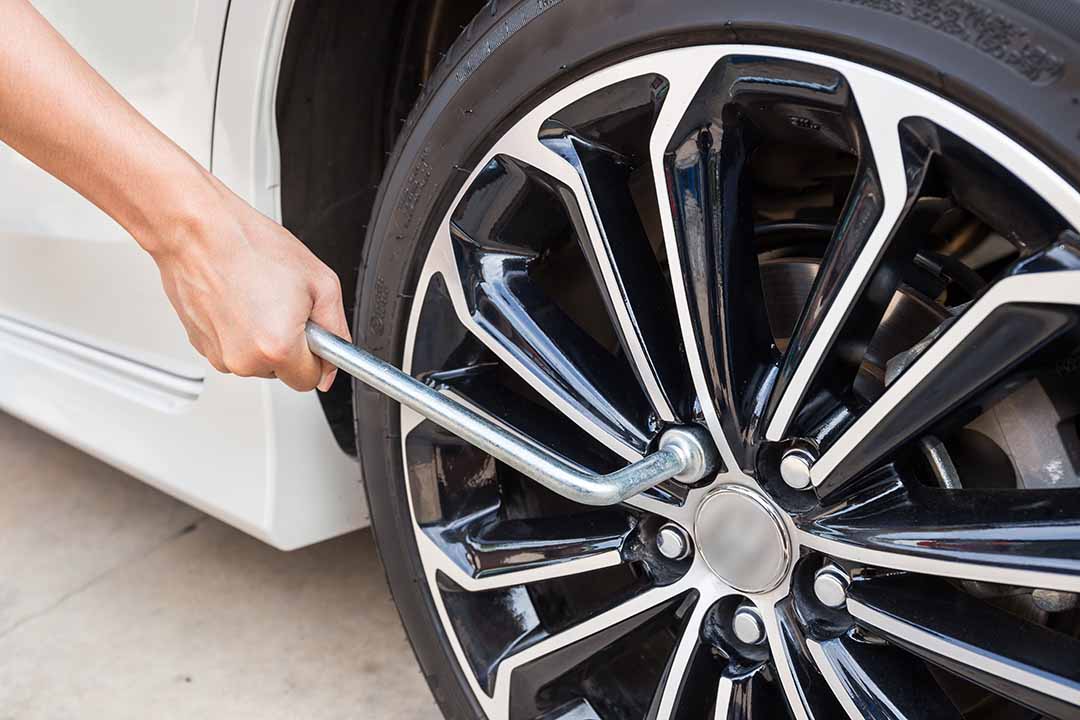
Use the lug wrench to turn the lug nuts counterclockwise, but do not remove them yet. If the nuts are too tight, use your body weight to push gently on the wrench.
Step 5: Jack Up the Vehicle
Place the jack properly positioned under the vehicle frame alongside the flat tyre. Slowly lift the vehicle until the tyre is completely free from the ground.
Step 6: Remove the Flat Tyre
Fully unscrew the lug nuts and carefully pull off the flat tyre. Set it aside and check for any exposed metal or additional damage.
Step 7: Install the Spare Tyre
Align the spare tyre with the wheel studs. Secure the lug nuts, but do not fully tighten them yet.
Step 8: Tighten the Lug Nuts by Hand
Once you’ve lowered the car, use your lug wrench to tighten the lug nuts by hand. Make sure they’re snug, but do not overtighten. You’ll need to tighten them again with the wrench in the next step.
Step 9: Lower the Car
Carefully lower the car to the ground using the jack. Make sure the car is stable and on level ground before removing the jack. This ensures that the vehicle is secure and prevents any accidental movement.
Step 10: Tighten the Lug Nuts Again
Use your lug wrench to tighten the lug nuts as tight as possible in a star pattern. This method ensures even pressure across the wheel, preventing any wobbling or imbalance. Make sure the lug nuts are snug, but do not overtighten. Check your vehicle’s manual for the recommended torque specification to ensure the lug nuts are tightened to the correct level. Do not abruptly brake when driving on a temporary spare—head to a tyre shop or workshop immediately for a proper car tyre replacement.
What to Do If You Can’t Change a Tyre
If you can’t change a tyre in Singapore due to a tight lug nut, poor weather, or unsafe location, call for assistance.
24/7 Roadside Assistance Services include:
- AA Singapore (Automobile Association)
6748 9911
– For members and non-members (charges apply for non-members)
– Offers tyre replacement, towing, battery jump-start, etc. - Swift Tyre Specialist (formerly SOS Tyre Services)
8484 3838
– Mobile tyre repair and battery services island-wide - AL Tyres Pte Ltd
8418 8000
– Offers island-wide mobile support for tyre replacements, battery jump-starts, and towing services.
If you're insured with Budget Direct Insurance
You can enhance your protection with optional 24/7 Roadside Assistance cover. Whether your car breaks down, gets a flat tyre, runs out of petrol, has a dead battery, or you lose your keys, you’ll never be left stranded.
As a Budget Direct customer you’re offered additional optional covers, including the flexibility to choose your preferred repair workshop. Tailor your policy to suit your needs and budget. Find out more about the optional covers available for you to choose from.
Buying tyres
When buying tyres, invest in high-quality options—spending a little more now can save you thousands later. Quality tyres offer better grip and safety in both wet and dry conditions. A professional tyre fitter can recommend the best option for your driving needs.
Ensure your wheels are balanced during installation, and consider wheel alignment to prevent uneven wear. Front wheels are particularly prone to misalignment, affecting handling and tyre lifespan. If you've hit a curb or notice uneven wear, get your alignment checked.
Knowing how to change a tyre is important, but preventative maintenance reduces the risk of a flat tyre. Stay proactive with regular tyre checks and a tyre change service when needed.