Blog / Car Insurance
Best Ways to Check Your Car Blind Spot Safely

Driving on multi-lane roads can be challenging, especially when it comes to those hidden areas—your blind spots. Each vehicle has specific areas known as primary blind spots that are not visible through mirrors. Whether you’re wondering how to check blind spots while driving or need tips on minimising your car blind spot, this guide provides expert advice on mirror adjustments, head checks, and the use of advanced technology like blindspot monitor systems.
What Is a Blind Spot?
A blind spot is an area around your vehicle that isn’t visible through your rear-view or side mirrors. Even with a well-adjusted vehicle blind spot mirror, there are still zones where other cars or trucks (often referred to as truck blind spots) can go unnoticed, putting them directly in the driver’s blind spot. This lack of visibility can be dangerous when changing lanes or merging.
Explore below for tips on how to check your blind spot while driving.
Adjusting Your Mirrors for Maximum Coverage
Proper mirror setup is crucial:
- Interior Rear-View Mirror: Position it so you can see straight through the rear window. This offers a clear view of what’s directly behind you.
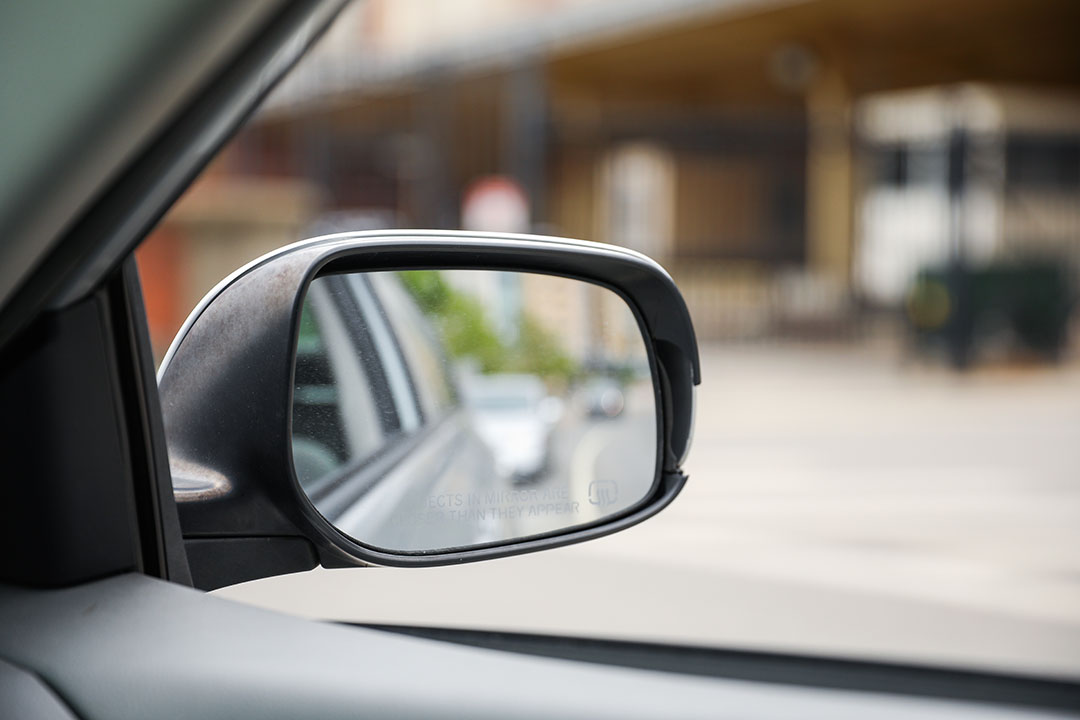
- Exterior Side Mirrors: Adjust these so that you see just a sliver of your vehicle. This minimises blind spots. A helpful tip: imagine someone standing next to your rear wheel—they should be visible in your side mirror.
While convex mirrors can widen your field of view, they may slightly distort distance. Nonetheless, properly adjusting your mirrors is the first step toward safer driving. Additionally, always stop before the ‘STOP’ line at intersections to ensure clear visibility.
The Essential Head Check
Even with advanced blindspot monitor systems and optimised mirrors, nothing replaces a quick head check to ensure you are not in a driver's blind spot. Here’s how:
- Perform a Head Check: Quickly glance over your shoulder in the direction you intend to move to verify that your blind spot is clear before changing lanes, merging, or pulling into a curb. Always check for approaching traffic to ensure it is safe before making any maneuvers.
- When to Check Your Blind Spot: Always perform a head check every time you intend to switch lanes. This practice is especially important if you’re navigating areas where other drivers’ views might be limited by their own vehicle blind spot mirrors.
Blind Spots and Motorcycle Drivers
Motorcyclists face unique challenges with blind spots due to fewer rear-view mirrors. By adjusting their riding position and performing frequent head checks, riders can improve visibility and safety.
Blind Spots with Different Vehicles
Blind spots can be particularly hazardous when interacting with other road users, such as motorcyclists, cyclists, and pedestrians. These vulnerable road users may be more difficult to see, especially when they are in the driver’s blind spot. To avoid accidents, drivers should be aware of the blind spots of other drivers and take extra precautions when changing lanes or merging with traffic. Additionally, drivers should be mindful of the blind spots of other road users, such as truck drivers, who may have larger blind spots due to the size of their vehicles.
Defensive Driving Strategies
To further reduce risks:
- Avoid the Rear Wheel Zone: Stay clear of other drivers’ rear wheels—the common blind spot area.
- Positioning Is Key: If you can see the driver’s face in their mirror, they can see you. Maintain a position either ahead of or behind other vehicles, especially trucks, whose large truck blind spots can pose additional hazards. Always ensure you are in the correct lane when preparing to make a turn or approach a junction.
- Tailgating Is Risky: Keep a safe distance to ensure you’re not caught in someone else’s blind spot.
Checking Blind Spots in Different Driving Scenarios
Checking blind spots is essential in various driving scenarios, including:
- Merging with traffic: When merging with traffic, it’s crucial to check your blind spots to ensure there are no other vehicles in the adjacent lane. This helps you merge safely without cutting off other drivers.
- Turning: Before making a turn, check your blind spots to ensure there are no other vehicles or pedestrians in the area. This is especially important in busy intersections or areas with heavy pedestrian traffic.
- Reversing: When reversing, always check your blind spots to ensure there are no other vehicles or pedestrians behind you. Use your mirrors and turn your head to get a clear view of the area around your vehicle.
By understanding the driver’s blind spot and taking extra precautions when interacting with other road users, you can reduce the risk of accidents and ensure safe driving practices.
Tips for Safe Driving and Lane Changes
Changing lanes can be a hazardous maneuver if not done correctly. Here are some tips for safe lane changes:
- Check Your Mirrors and Blind Spot: Before changing lanes, check your rearview and side mirrors, and then perform a head check to ensure your blind spot is clear. This double-check helps you avoid any surprises.
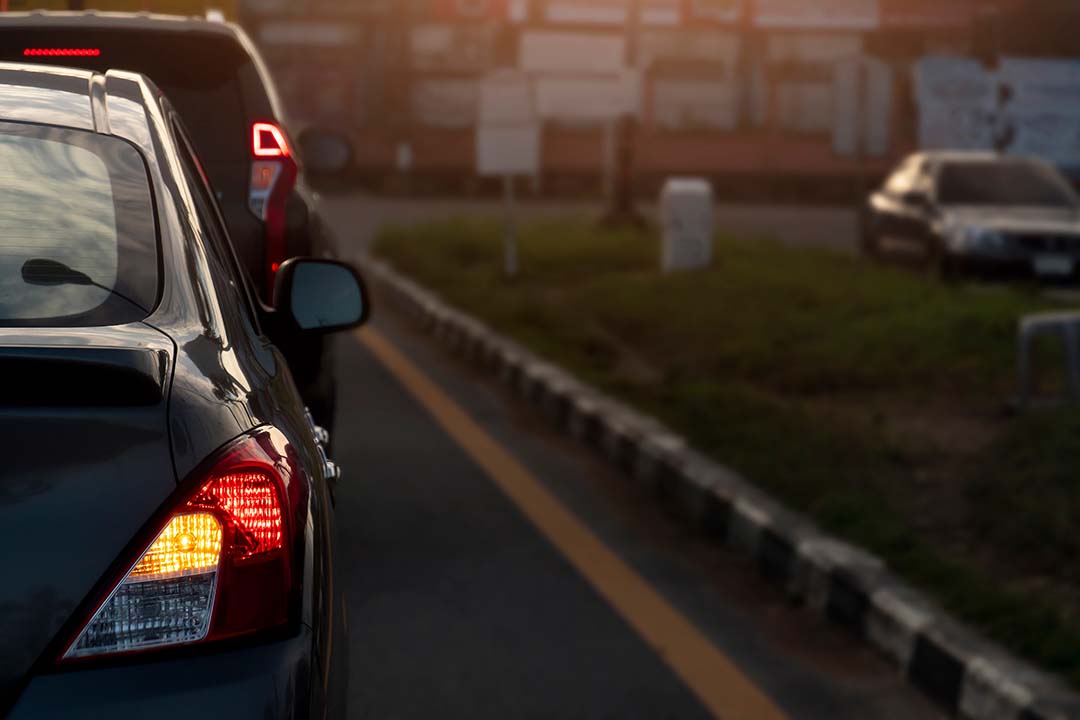
- Signal Your Intention: Always use your turn signal to indicate your intention to change lanes. This alerts other drivers to your planned maneuver, giving them time to react.
- Check for Other Drivers: Look for other drivers in the lane you want to enter. Make sure there is enough space for you to move over safely without cutting off another vehicle.
- Match Your Speed: Adjust your speed to match the traffic in the lane you want to enter. This helps you merge smoothly and reduces the risk of collisions.
- Check Your Blind Spot Again: Before completing the lane change, perform another head check to ensure your blind spot is still clear. Conditions can change quickly, and a final check can prevent accidents.
- Be Aware of Other Drivers’ Blind Spots: Avoid driving in other drivers’ blind spots, especially those of larger vehicles like trucks. If you can’t see the driver’s face in their mirror, they likely can’t see you.
- Use Defensive Driving Techniques: Maintain a safe following distance, stay aware of your surroundings, and anticipate the actions of other drivers. Defensive driving helps you stay prepared for unexpected and dangerous situations.
By following these tips, you can reduce your risk of being involved in an accident and stay safe on the road.
Embracing Technology: Blindspot Monitor Systems
Many modern cars now feature blindspot monitor systems that alert drivers to vehicles hidden in their blind spots. Checking blind spots involves specific techniques such as performing shoulder checks and using mirrors effectively. While these systems are valuable, they are an extra aid—manual head checks remain essential.
Additionally, it is crucial to keep both hands on the steering wheel even when using blindspot monitor systems to maintain proper car control and enhance driver safety.
Car insurance
Our car safety tips are a general guide to help you drive more confidently and safely on the road. But accidents can still happen through no fault of your own.
Although we can’t prevent you from getting into an accident, Budget Direct Insurance can offer you peace of mind financially with our affordable car insurance plans.
Find out more about Budget Direct car insurance.