Blog / Car Insurance
Driving in Tunnels in Singapore: What Motorists Need to Know

Singapore is home to some of the most sophisticated road tunnels in Southeast Asia, serving as vital links across the island in a land-scarce environment. From the impressive Kallang–Paya Lebar Expressway (KPE) Tunnel—the longest tunnel in Singapore—to critical connectors like the Marina Coastal Expressway (MCE) and Central Expressway (CTE) tunnels, tunnel safety and awareness are key for every driver.
Singapore’s Major Tunnels
- Kallang–Paya Lebar Expressway (KPE) Tunnel – At 12 km, it is the longest underground road tunnel in Southeast Asia. It links the East Coast Parkway (ECP) to the Tampines Expressway (TPE), with access to areas like Upper Paya Lebar and Airport Road.
- Central Expressway (CTE) Tunnel – Runs beneath areas such as Bukit Timah and Chin Swee Road, helping connect northern Singapore to the city centre.
- Marina Coastal Expressway (MCE) Tunnel – Connects Marina Bay to Marina Coastal Drive and the ECP, serving as a key east–west link in southern Singapore.
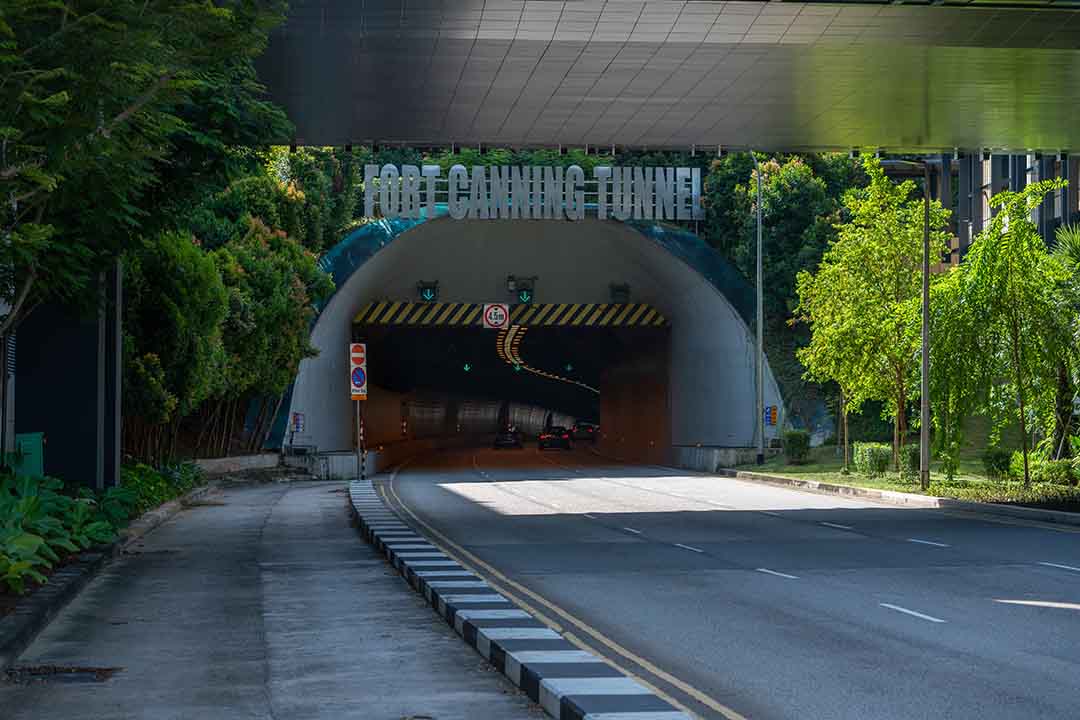
- Fort Canning Tunnel (FCT) – A short tunnel passing beneath Fort Canning Hill, easing traffic between River Valley and Stamford Road.
- Woodsville Tunnel (WVT) – Connects MacPherson Road, Serangoon Road, and Upper Serangoon Road; part of a major road interchange.
- Sentosa Gateway Tunnel (SGT) – Provides direct underground access to Sentosa Island, linked via Keppel Road and Lower Delta Road.
These road tunnels in Singapore are engineered with state-of-the-art electrical and mechanical systems, including automated surveillance, ventilation systems, overhead water sprinkler systems, emergency SOS phones, and fire service cabinets that contain portable fire extinguishers.
Tunnel Speed Limits
- KPE Tunnel: 80 km/h (some bends limited to 70 km/h)
- MCE & CTE Tunnels: 80 km/h
- FCT & WVT: 50 km/h
- SGT: 40 km/h
Observe speed limits, especially near bends or tunnels with reduced visibility. Speed enforcement includes speed cameras and monitoring by the Land Transport Authority (LTA) and traffic police.
Before Entering a Tunnel
- Check your fuel level — a stalled vehicle causes major tunnel delays and safety risks.
- Switch on low beam headlights to improve visibility in underground spaces.
- Tune in to a local FM radio station — emergency information such as fires or traffic accidents may be broadcast.
- Remove sunglasses to reduce glare.
Driving in a Tunnel: Best Practices
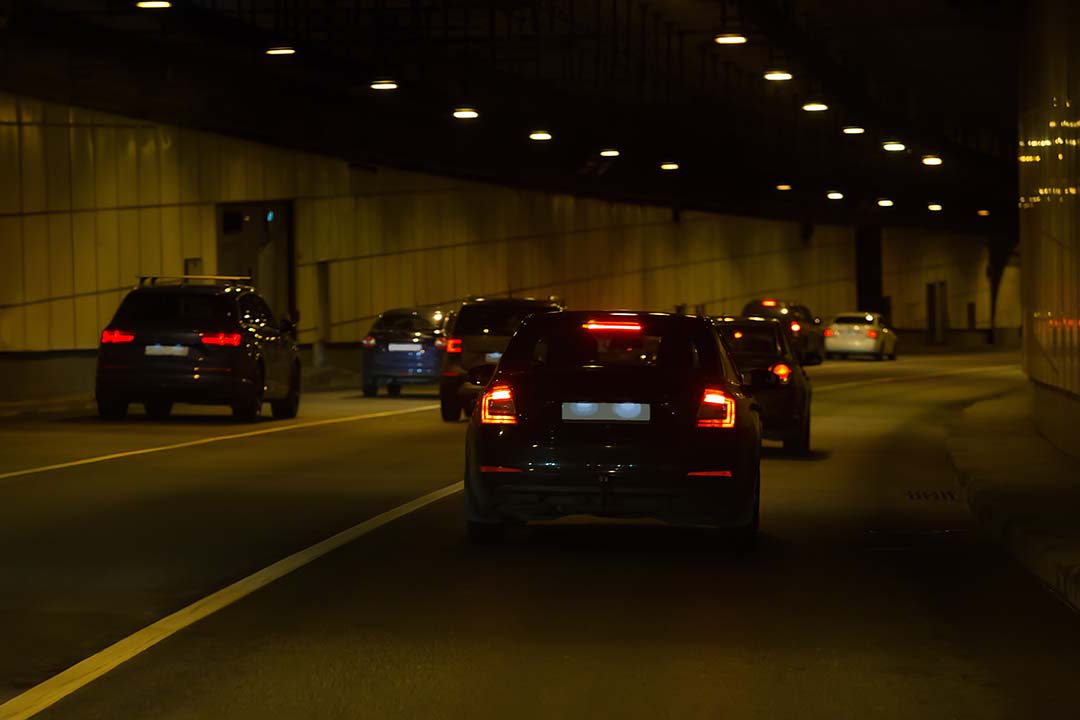
- Maintain a safe distance; avoid tailgating.
- Refrain from overtaking or switching lanes unnecessarily.
- Follow traffic signs, lane signals, and stay in your lane.
- Do not stop, reverse, or attempt repairs unless it’s an emergency.
- Be cautious when using your horn, as sound travels differently in enclosed areas.
If Traffic Slows or Stops
- Activate hazard lights if you need to brake abruptly.
- Keep a 5-metre distance from the vehicle in front.
- Stay in your vehicle unless it’s safer to leave.
- Watch for red “X” signs overhead, indicating lane closures or hazards.
Tunnel Emergencies: Communication and What to Do
1. Vehicle Breakdown
- Move to the road shoulder if possible.
- Switch on vehicle hazard lights.
- Use the nearest emergency SOS phone (every 100 m) or call 1800-CALL-LTA.
- Wait on the raised platform, downstream of your vehicle.
- Do not attempt repairs; wait for LTA Operations Control Centre or recovery teams.
2. Vehicle Collision
- If no injuries are sustained, carefully drive out of the tunnel.
- For injuries, call 995 or 999 immediately.
- Use SOS phones or contact traffic police response teams.
- Contact your insurer for any assistance such as car towing.
3. Fire or Smoke
- Stop at the side, turn off the engine, and exit if safe.
- Alert others using the fire break-glass panel at the fire service cabinet (every 50 m).
- Use portable fire extinguishers inside the cabinet for small fires.
- Overhead sprinklers may activate in the KPE, MCE, WVT, and SGT.
- Evacuate if necessary via the nearest escape staircase.
Locating Emergency Exits
- Emergency escape staircases: every 500 m on the left lane.
- Pedestrian cross passages: every 100 m on the right lane (CTE, KPE, MCE).
- Use wall panel markings, slip roads, or kilometre markers to identify your location.
Tunnel Safety is a Shared Responsibility
Whether you’re driving a car, bus, or motorcycle, mastering safe driving in tunnels ensures smoother, safer commutes. These confined spaces require alertness and strict adherence to emergency procedures.
Ensure your car insurance includes emergency breakdown and flood/fire protection.