Blog / Car Insurance
Manual vs Automatic Cars in Singapore: Which Is Right for You?

Whether you're buying your first car or upgrading to a new vehicle, choosing between a manual or automatic transmission is a key decision. The right choice depends on how you drive, what you value, and where you drive—especially in a dense city like Singapore.
So what’s the difference between a manual and automatic car, and which one should you pick? Let’s break down the pros, cons, and key differences of each transmission type to help you decide what’s right for your lifestyle.
Understanding the Key Difference: Manual vs Automatic
The main difference between a manual and automatic car lies in how gears shift. In a manual transmission vehicle, the driver changes gears using a gear stick and clutch pedal. In contrast, automatic cars come with automatic gearboxes that select gears for you, allowing the driver to focus solely on steering and braking.
In short: manual transmission requires more driver input, while automatic transmission vehicles offer ease and convenience—especially in heavy traffic, a common condition on Singapore’s roads.
The Case for Automatic Cars in Singapore
So, it stands to reason that in Singapore, many drivers prefer automatic transmission vehicles. With stop-start traffic, narrow streets, and frequent parking manoeuvres, an automatic car simplifies the entire driving experience.
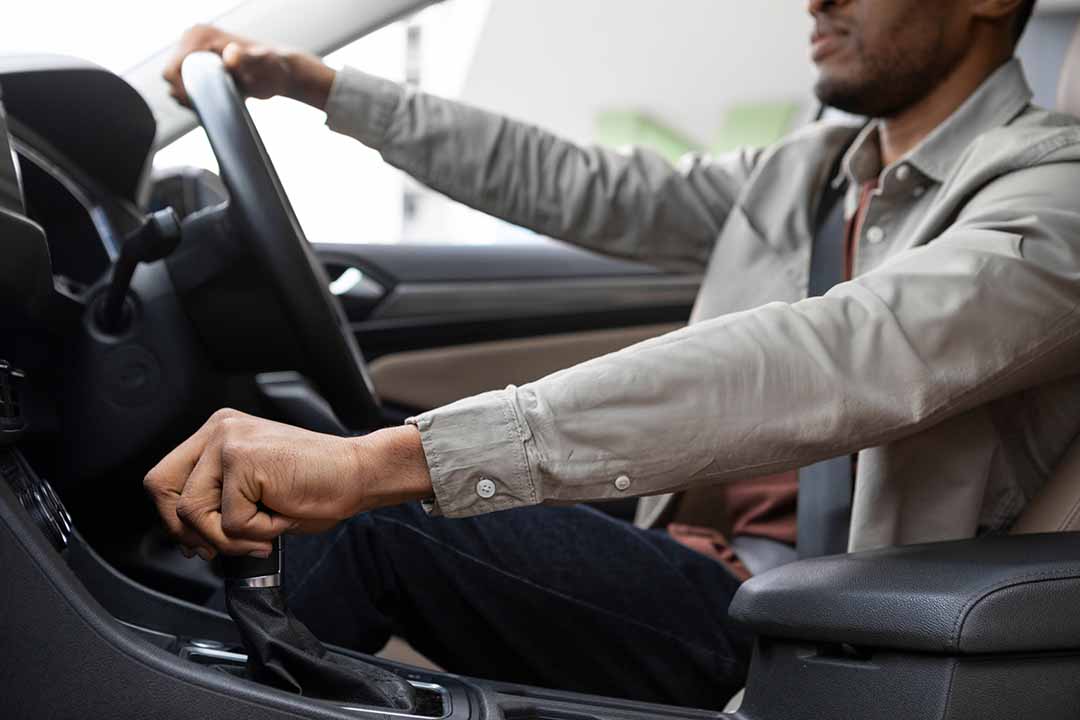
Pros of Automatic Transmission
- Easier to use: Automatic vehicles are beginner friendly. Without needing to coordinate a clutch, you simply press the accelerator or brake with your right foot.
- Ideal for city driving: In heavy traffic, drivers don’t need to constantly change gears or hold the clutch pedal. This reduces fatigue and makes commuting less stressful.
- Reduced stalling risk: Automatic gearboxes eliminate the chance of embarrassing stalls—especially useful on inclines or during a hill start.
- Smoother ride in modern cars: Many new cars feature advanced automatic transmissions, including CVTs, (Continuously Variable Transmissions) and dual-clutch systems, offering near-seamless gear changes.
Cons of Automatic Transmission
- Higher cost: Automatic vehicles tend to cost significantly more—both to purchase and maintain. Higher repair costs may apply if transmission parts fail.
- Slightly less fuel-efficient: Despite advancements, some automatic cars still use more fuel compared to their manual counterparts—although this gap is narrowing.
- Less driver control: Some drivers find that automatics offer less precise control, especially in performance scenarios where they want to select the right gear for engine speed.
The Case for Manual Cars in Singapore
Although manual transmission cars are becoming less common, they still hold appeal for enthusiasts and budget-conscious drivers. If you're someone who enjoys driving engagement and precise control, a manual vehicle may be your preference.
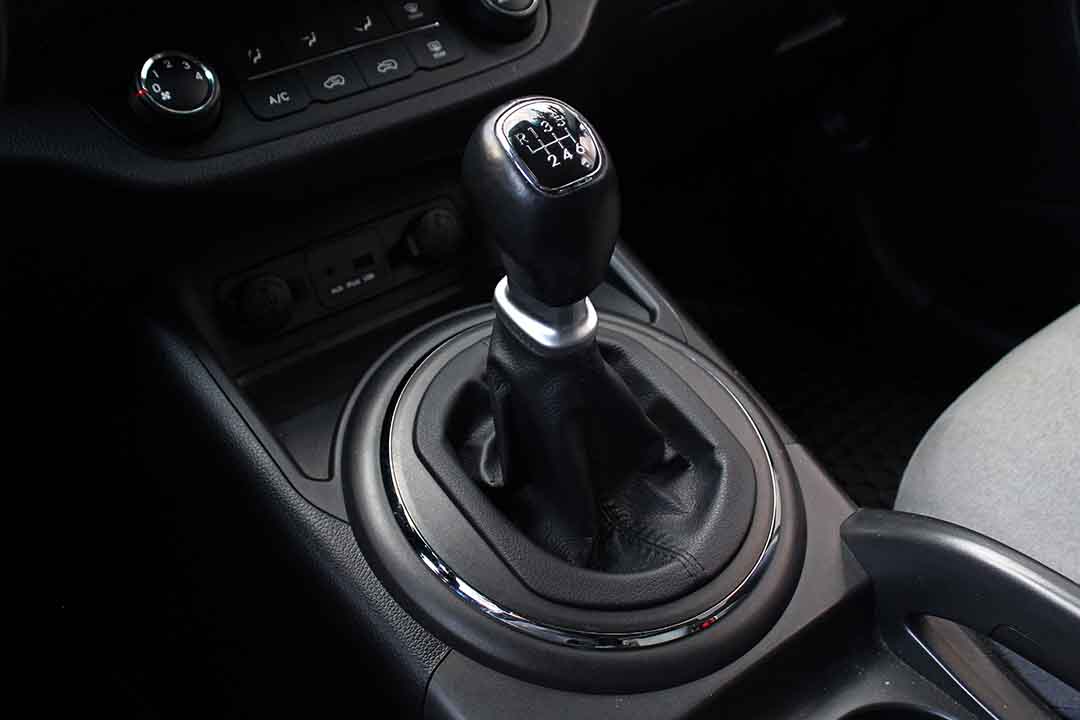
Pros of Manual Transmission
- More control: With a manual gearbox, you choose when to upshift or downshift, allowing for precise control of your engine speed and torque—especially useful during overtaking or tackling hills.
- Fuel efficiency: Manual cars are generally more fuel-efficient, consuming up to 15% less fuel than automatics in similar conditions.
- Lower cost: Manual-equipped cars are often cheaper to buy and maintain. The simpler transmission reduces the likelihood of expensive repairs.
- Better for learning: Driving a manual car can deepen your understanding of how vehicles work and with a Class 3 licence, it gives you the flexibility to drive both manual and automatic cars.
Cons of Manual Transmission
- Steeper learning curve: Learning to drive a manual car takes practice, especially coordinating the clutch pedal, gear stick, and accelerator.
- Tiring in traffic: In congested areas, having to shift gears repeatedly can be exhausting. Your left leg and left foot will be working hard!
- More likely to stall: Beginners often stall manual transmission cars, especially during hill starts or parking ramp exits.
- Lower resale value: As fewer people choose manual vehicles, their resale value may be lower compared to automatics.
Licence Matters: Class 3 vs Class 3A in Singapore
In Singapore, your licence type determines what you can drive:
- Class 3A licence: Allows you to drive only automatic cars. It’s easier to pass the practical driving test with an automatic vehicle, but limits your flexibility.
- Class 3 licence: Qualifies you to drive both manual and automatic cars. It requires more skill to pass but offers more long-term options—especially when renting cars abroad.
Many drivers opt for Class 3A due to the convenience of automatic transmissions, but serious driving enthusiasts often prefer the versatility of Class 3.
What About Electric Cars?
Here’s a fun fact: all electric cars in Singapore use automatic transmission systems. There’s no clutch pedal or gear selector—just smooth power delivery through a torque converter-like system. If you're considering a new car in the electric category, you'll automatically be driving an automatic.
As electric vehicles (EVs) gain popularity in Singapore, the manual vs automatic debate may become less relevant—but for now, both options still have their place.
Final Verdict: Manual vs Auto—Which Should You Choose?
Manual vs automatic cars—it’s not just about the transmission type, but what suits your lifestyle best.
- Choose a manual car if you:
- Enjoy shifting gears and feeling connected to your car.
- Want better fuel economy and lower upfront costs.
- Prefer precise control, especially on slopes or during spirited driving.
- Choose an automatic vehicle if you:
- Commute daily through heavy traffic and want convenience.
- Prefer a smoother drive and fewer mechanical worries.
- Are looking at electric cars or new vehicles with advanced safety features.
Whatever you decide, make sure you’re protected with reliable car insurance tailored for your vehicle type. Whether it’s stick shift or seamless auto, Budget Direct Insurance helps you stay covered on every drive.