Blog / Car Insurance
Singapore Car Accident: The 7 Most Common Car Insurance Claims and What They Mean for Drivers

A car accident in Singapore can be stressful, whether it’s a small fender-bender or a major collision. For drivers and owners of any motor vehicle, understanding how different scenarios are treated by insurers is crucial. From rear-end crashes to weather-related damage, knowing what’s covered under Comprehensive, Third Party, Fire & Theft (TPFT), or Third Party Only (TPO) insurance can make a huge difference.
This guide explores the seven most common car insurance claims in Singapore, what they mean for you, and how your No-Claim Discount (NCD) and excess may be affected. Even the most careful motorists must be aware of their responsibilities under Singapore law. This article explains the key procedures and legal aspects you need to know.
The 7 Most Common Car Insurance Claims in Singapore
1. Rear-End Collisions
Scenario: Another car hits you from behind in traffic, usually at a traffic light or in congestion.
Coverage:
- Comprehensive: Repairs to your car and third-party vehicles.
- TPFT/TPO: Only liability to others is covered.
Excess & NCD:
- Excess is applicable when you claim on your own policy for your vehicle repairs. Some insurance providers may even impose excess for any Third Party claim filed against your policy.
- If another driver is clearly at fault and recovery is successful, your NCD will not be affected and excess may be waived.
- If you’re at fault, or fault cannot be determined, your Policy Excess applies (typically S$600–S$3,000) and NCD will be affected, unless you have an NCD Protector benefit.
2. Parked-Car Damage or Hit-and-Run
Scenario: You return to your parked car to find it dented or scratched with no note left.
Coverage:
- Comprehensive: Repairs covered.
- TPFT/TPO: No cover for your own damage.
Excess & NCD:
- You pay your Policy Excess, and NCD will be affected unless protected.
Tip: Park in monitored carparks and consider a dashcam with parking mode.
3. Windscreen or Glass Damage
Scenario: A stray stone chips your windscreen and the crack spreads.
Coverage:
- Comprehensive: Glass repair/replacement covered.
- TPFT/TPO: Not covered. Do note, that most insurers offer optional coverage that can be purchased for windscreen cover under TPFT and TPO.
Excess & NCD:
- A reduced excess may apply for windscreen glass-only replacement claims.
- Windscreen glass-only claims usually do not affect NCD.
4. Theft or Attempted Theft
Car theft is rare in Singapore, but insurers still list it as a key claim category to ensure protection in the unlikely event it happens
Scenario: Your car is stolen or thieves break in, damaging locks or panels.
Coverage:
- Comprehensive: Theft and break-in damage covered.
- TPFT: Theft and fire damage covered.
- TPO: No theft cover for your car.
Excess & NCD:
- Policy Excess applies.
- NCD will be affected if the claim cannot be recovered from the responsible party.
5. Weather-Related Damage
Scenario: Flash floods damage your engine or storm debris dents your car.
Coverage:
- Comprehensive: Covers flood, storm, and falling objects.
- TPFT/TPO: Not covered.
Excess & NCD:
- Policy Excess applies.
- Most insurers do not reduce your NCD for weather-related claims, but policies may differ.
6. Side-Swipe
Scenario: Your car is grazed in a carpark and you cannot identify or prove fault against another party (for example, no witnesses, no CCTV, or the other driver didn’t stop), and the insurer can’t recover costs from them.
Coverage:
- Comprehensive: Repairs covered.
- TPFT/TPO: Not covered.
Excess & NCD:
- Policy Excess applies.
- Without recovery of claim from the responsible party, NCD is typically affected, unless protected.
7. Collision with an Animal
Scenario: You hit a stray dog or encounter wildlife such as wild boars in rural areas.
Coverage:
- Comprehensive: Covers damage to your car.
- TPFT/TPO: Not covered.
Note: If livestock or pets are involved, owners may pursue liability separately.
Excess & NCD:
- Policy Excess applies.
- NCD is affected.
| Incident Type | Comprehensive | TPFT | TPO | NCD Impact (At-Fault) | Excess Applies? |
|---|---|---|---|---|---|
| Rear-end collision | ✅ | ❌ | ❌ | Yes | Yes (waived if not at fault) |
| Parked-car hit-and-run | ✅ | ❌ | ❌ | Yes | No |
| Windscreen repair | ✅ | ❌ | ❌ | Typically none | No |
| Theft/break-in | ✅ | ✅ | ❌ | Yes | Yes |
| Weather damage | ✅ | ❌ | ❌ | Typically none | No |
| Side-swipe/mirror scrape | ✅ | ❌ | ❌ | Yes | Yes |
| Collision with animal | ✅ | ❌ | ❌ | Yes | Yes |
Introduction to Car Insurance in Singapore
Car insurance in Singapore is not just a formality—it’s a legal requirement under the Road Traffic Act, which mandates that all motorists carry at least third-party liability insurance. Whether you drive daily or occasionally, having the right policy protects you financially in the event of a car accident or traffic accident in Singapore.
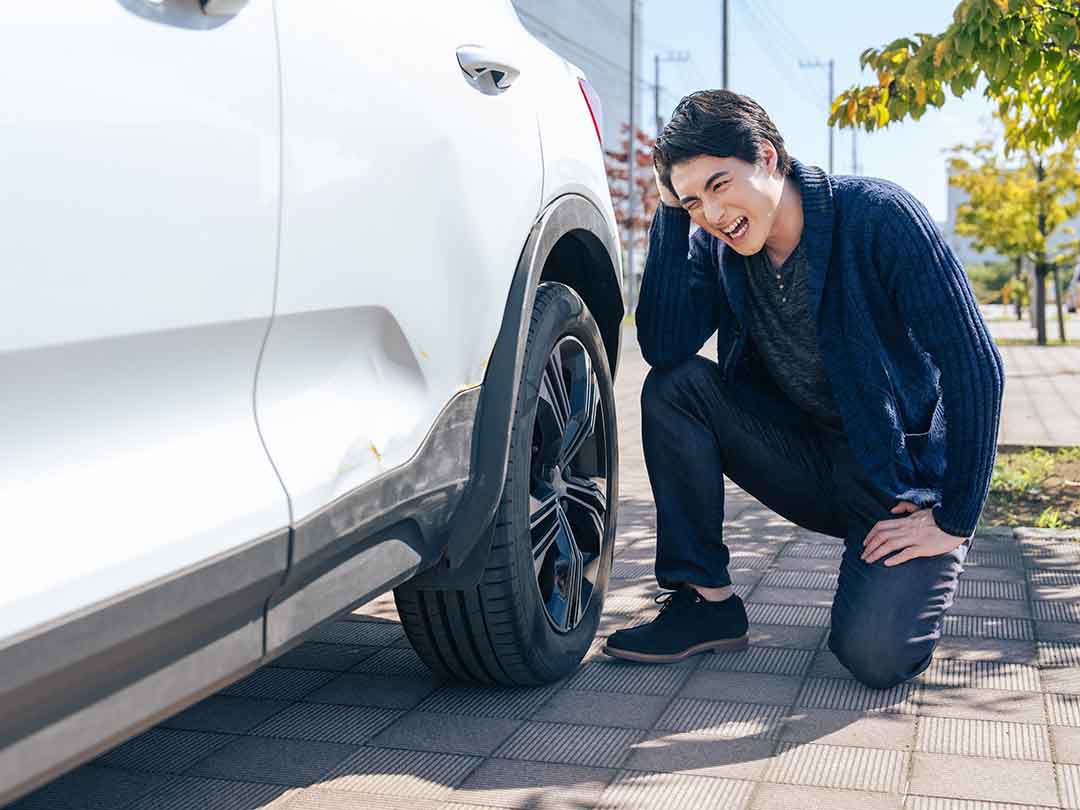
When you’re involved in an accident, knowing the steps to take can make a significant difference. This includes reporting the incident, notifying your insurer, and understanding your policy’s coverage limits and excess.
Insurers in Singapore offer three main types of policies:
- Third Party Only (TPO): Covers liability to others only.
- Third Party, Fire & Theft (TPFT): Covers liability, plus fire and theft.
- Comprehensive: Covers your own car as well as third-party damage.
By familiarising yourself with your policy and the procedures to follow, you can ensure you’re prepared for any event on the road. Comprehensive coverage offers the broadest protection, giving you peace of mind if the unexpected happens.
Understanding Liability in Car Insurance Claims
Liability determines who is responsible for damages or injuries after a car accident in Singapore. Insurers assess:
- Driver statements
- Police reports
- Photos, videos, and dashcam footage
- Witness accounts
In routine claims, insurers make liability assessments based on available evidence. In more serious or disputed cases, liability may also be determined under the Road Traffic Act and the Penal Code. If you’re found fully or partially at fault, your insurer covers damages up to policy limits, but your NCD and excess are affected.
How No-Claim Discount (NCD) Works in Singapore
The NCD rewards safe drivers with lower premiums:
- At-fault/unrecovered claims: NCD is affected.
- No-fault claims: No NCD loss if the other driver’s details are provided. Do note, however, if you decide to claim against your own motor insurance policy first your insurer can decide to penalise your NCD depending on your insurance provider’s protocols.
- Windscreen glass-only/weather claims: No NCD loss.
- NCD Protector add-on (from 30% NCD): First at-fault claim does not reduce NCD.
Why Understanding Car Accidents in Singapore Matters
Every year, thousands of car accidents in Singapore are reported. Some are minor, like carpark scrapes, while others involve major collisions on expressways such as the PIE or AYE. Regardless of severity, one thing is constant: the financial impact depends on the protection your insurance provides. By learning how insurers handle the most common types of accidents, you’ll not only protect your car but also your wallet.
What to Do After a Car Accident in Singapore
If you’re involved in a car accident in Singapore, here are the steps to take to protect your interests and ensure a smooth claims process:
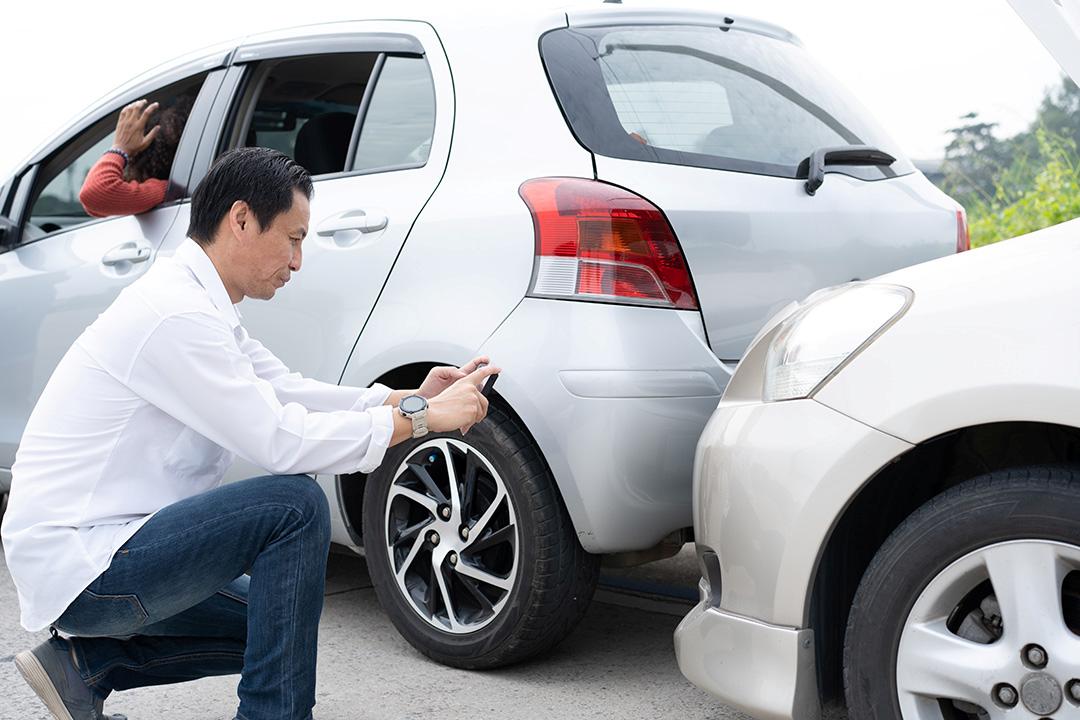
- Check for injuries. Call for help using emergency hotlines: dial 995 for medical emergencies or 999 for police assistance.
- Move to safety if possible, and switch on hazard lights.
- Exchange details: Names, contact numbers, NRIC/FIN, vehicle numbers, and insurance information.
- Document the scene with photos and videos of vehicles, damage, road conditions, and injuries if any. Keep all records for submission during the claims process.
- Do not admit fault at the scene, as this may affect liability decisions later.
- Report to the police if required — mandatory if the accident involves:
- Injuries or fatalities
- Damage to government/public property
- A foreign vehicle
- Cyclists or pedestrians
- Report to your insurer within 24 hours (or next working day), even if no claim is made. Failing to do so can result in NCD penalties or claim rejection.
Documenting the Accident: Essential Steps
How you record the accident can make all the difference in your claim outcome. Proper documentation ensures a smoother claims process with your insurer and helps establish liability if there are disputes.
- Ensure safety first and call for medical help if needed.
- Take wide and close-up photos of the accident scene, vehicle positions, and damages.
- Collect witness details where possible.
- Save all communication and evidence to support your claim.
Dealing with the Insurance Company
After a car accident, notify your insurer promptly with all details, including the police report, photos, witness statements, and required documents. Keep a record of all communication.
If you disagree with liability decisions or compensation amounts, you can appeal. Complex disputes may be escalated to the Financial Industry Disputes Resolution Centre (FIDReC) or resolved through the courts.
Tips to Reduce the Risk of Car Accidents in Singapore
- Keep a safe following distance.
- Park in monitored carparks.
- Install a dashcam.
- Slow down in wet weather.
- Avoid floodwaters.
- Service your car regularly.
- Obey traffic signals and be cautious at intersections.
Final Word
A car accident in Singapore can happen to anyone, no matter how careful you are. By understanding how insurers handle different situations—from rear-end collisions to weather damage—you’ll be better prepared. The key takeaway? Comprehensive insurance provides the broadest protection, especially for unpredictable risks like floods or theft.
Staying informed helps protect not only your car, but also your No-Claim Discount, your savings, and your peace of mind.
Disclaimer: The information provided in this article is for general guidance only and reflects practices common to most insurers. Coverage terms, benefits, and requirements may vary between insurance companies. Readers are advised to always review the specific details of their own insurance policy and check with their insurer for clarification before making any decisions.
Frequently Asked Questions - Car Accident Claims in Singapore
Q1: What should I do after a car accident in Singapore?
Check for injuries, call 995 for ambulance or 999 for police if needed, exchange details, document the scene, and report to your insurer’s authorised workshop within 24 hours.
Q2: Do I need to make a police report for every car accident in Singapore?
Not always. A police report is required if there are injuries, fatalities, damage to government property, foreign vehicles, or pedestrians/cyclists.
Q3: What happens if my car is stolen in Singapore?
With Comprehensive or TPFT coverage, you’ll be compensated up to market value (minus excess). Do note, this only applies if your car is confirmed stolen/missing and is not recovered by the Singapore Police Force within the geographical limits of Singapore. TPO does not cover theft.
Q4: Does weather-related car damage affect my NCD in Singapore?
No. Flood or storm claims typically do not reduce your NCD.
Q5: How much excess do I pay after a car accident in Singapore?
Basic Excess is usually S$600–S$3,000, depending on your policy and whether another party is clearly at fault.